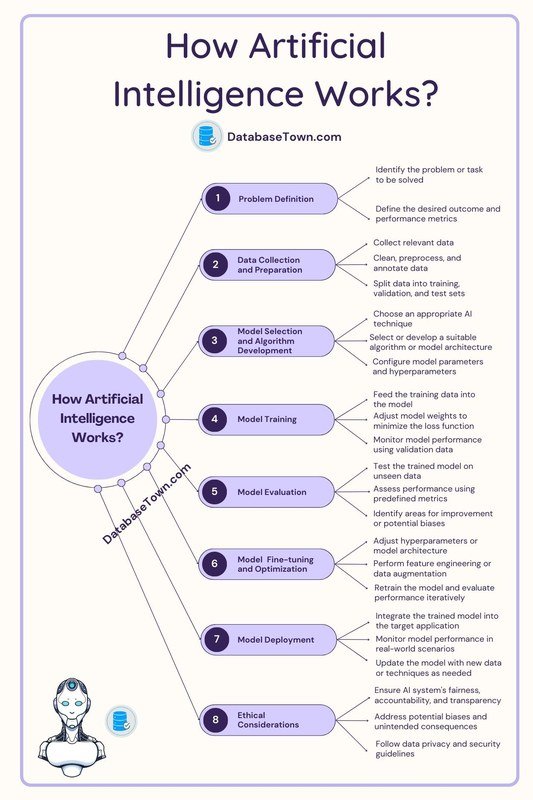
How Does Artificial Intelligence Work for Beginners A Guide
Artificial intelligence works by learning patterns from data and using those patterns to make predictions or decisions. For beginners, the key is understanding the basics: data, algorithms, models, and the difference between training and inference.
If you’ve ever asked how does artificial intelligence work for beginners, you’re not alone. This guide breaks down the core concepts in plain English, from data and algorithms to neural networks and real-world applications, so you can understand the AI tools you use every day.
- AI basics: AI systems learn from data, not fixed rules.
- Core components: Data, algorithms, models, and training/inference.
- Key types: Machine learning and deep learning are the main branches.
- Neural networks: Layers of weighted connections detect patterns.
- Start learning: Use free tools and build a small project.
What Is Artificial Intelligence? A Simple Definition for Beginners
Artificial intelligence (AI) is a branch of computer science focused on building systems that can perform tasks that normally require human intelligence. These tasks include recognizing images, understanding spoken language, translating text, and making recommendations. Unlike a traditional program that follows fixed rules, an AI system learns from examples and improves with more data.
How AI Works in Plain English: Input, Processing, and Output
Every AI system follows the same basic pattern. It receives input, processes that input using patterns learned from data, and produces output. For example, when you type a question into a chatbot, the input is your text. The system processes it by comparing it to patterns from its training data, and the output is a response. The “intelligence” lives in the patterns, not in a set of manually written instructions.
Why 2026 Is the Year Everyone Needs a Basic AI Understanding
By 2026, AI is no longer a behind-the-scenes technology. It’s embedded in search engines, email apps, photo editors, and even job applications. Understanding its strengths and limits helps you use it more effectively, spot errors, and make informed decisions about privacy, bias, and reliability. You don’t need to be a programmer to benefit from AI literacy—you just need to know how to ask the right questions.
The Core Building Blocks: How AI Actually Learns
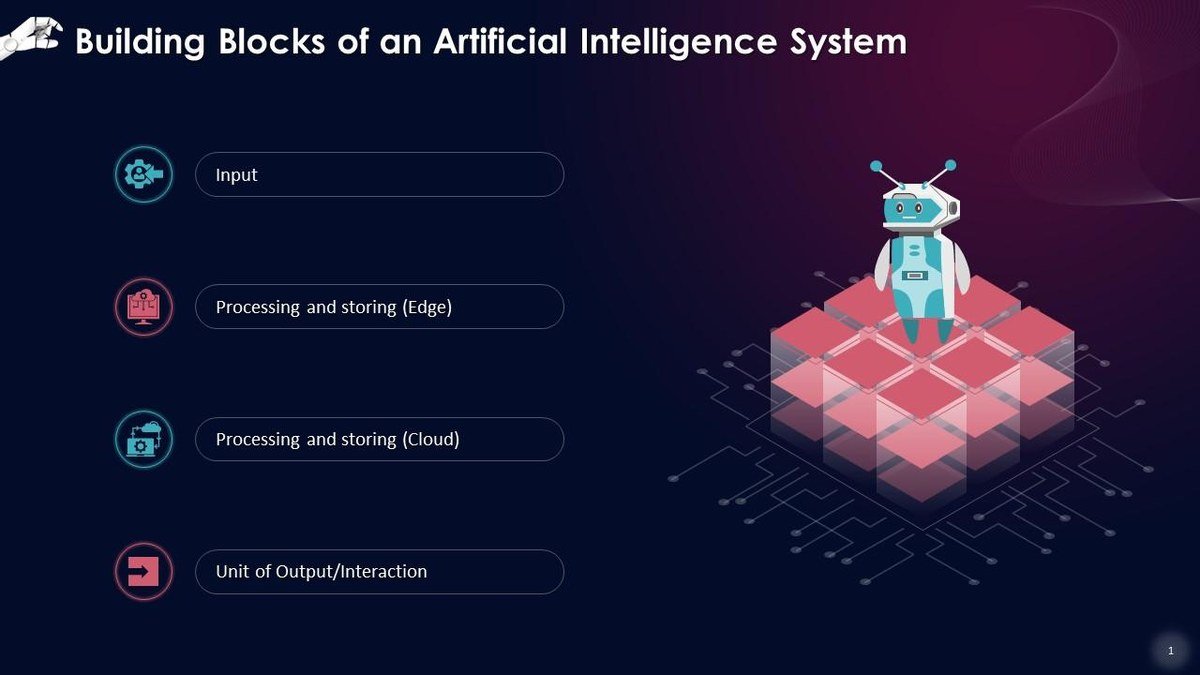
Diagram showing the core building blocks of how AI learns from data.
To understand how AI works, you need to know three things: data, algorithms, and the difference between training and inference. These are the building blocks of every AI system, from simple spam filters to advanced chatbots.
Data: The Fuel That Powers Every AI System
AI learns from examples. If you want a system to recognize cats, you show it thousands of labeled cat photos. The quality, variety, and amount of data directly affect how well the model performs. Garbage in, garbage out still applies—biased or incomplete data leads to biased or incomplete results. This is why data collection and cleaning are so important in AI development.
Algorithms and Models: The Brain Behind the Scenes
An algorithm is a set of steps the computer follows to learn from data. A model is the result of that learning process. Think of the algorithm as the teaching method and the model as the knowledge the student gains. When you use a voice assistant or a recommendation engine, you’re interacting with a model, not the algorithm itself.
Training vs. Inference: The Two Phases of AI
Training is the phase where the model learns from data. It can take days or weeks and requires significant computing power. Inference is the phase where the trained model makes predictions on new data. This happens in milliseconds. Understanding this distinction helps you see why AI systems need constant updates, why they sometimes fail on unexpected inputs, and why training costs are so high.
Key Types of AI Every Beginner Should Know
Not all AI is the same. The two most important distinctions are between machine learning and deep learning, and between narrow AI and general AI.
Machine Learning vs. Deep Learning: What’s the Difference?
Machine learning is a broad category of AI where systems learn from data without being explicitly programmed. Deep learning is a subset of machine learning that uses neural networks with many layers. Deep learning powers most modern breakthroughs like voice assistants and image recognition, but it needs more data and computing power. Here’s a quick comparison:
| Aspect | Machine Learning | Deep Learning |
|---|---|---|
| Data needs | Moderate | Large |
| Compute power | Lower | High |
| Best for | Structured data, predictions | Images, audio, text |
| Explainability | Easier to interpret | Harder to interpret |
Narrow AI vs. General AI: What Exists Today vs. What’s Coming
Narrow AI is designed for a specific task—like recommending movies, detecting spam, or translating language. It’s the only type of AI that exists today. General AI (AGI) would be able to perform any intellectual task a human can. Despite headlines, AGI remains theoretical. Most experts agree we are years away, and there is no public evidence that any company has achieved it.
How Neural Networks Mimic the Human Brain
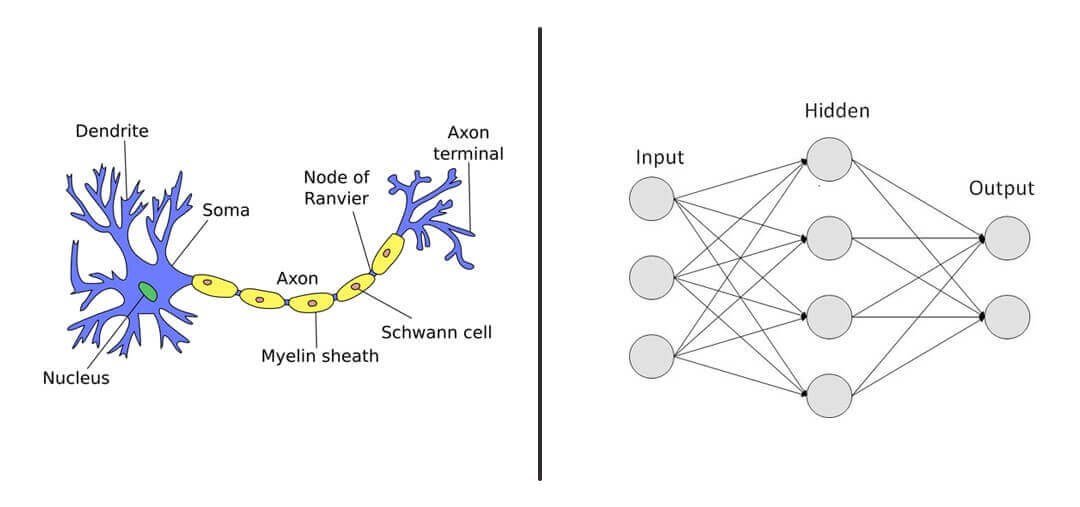
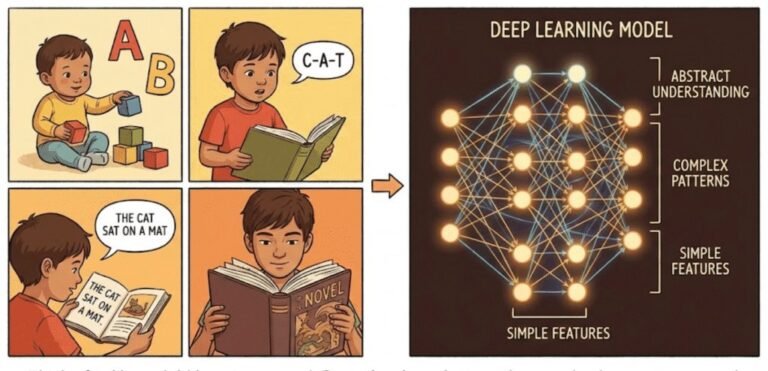
A diagram of neural network nodes connected in layers, mirroring brain neuron structure.
Neural networks are the engine behind deep learning. They are inspired by the structure of the human brain, but they are much simpler and more mechanical.
Neurons, Layers, and Weights Explained Without the Math
A neural network is made of artificial neurons organized in layers. The input layer receives data, hidden layers process it, and the output layer produces the result. Each connection between neurons has a weight that determines how much influence one neuron has on another. During training, these weights are adjusted to reduce errors. You don’t need to understand the math to grasp the basic idea: the network is learning which connections matter.
What Happens Inside a Neural Network During a Task
When you give a neural network an image of a dog, the network doesn’t “see” a dog. It sees a grid of pixels. Each layer detects increasingly complex features—edges, shapes, textures, and finally the dog. This process is called forward propagation. If the answer is wrong, the network uses backpropagation to nudge the weights and do better next time. This loop of guessing, checking, and adjusting is how the network learns.
Real-World Applications: Where AI Works Around You Right Now
AI is already woven into your daily routine, often in ways you don’t notice. Here are a few examples.
Everyday AI: Search, Recommendations, and Voice Assistants
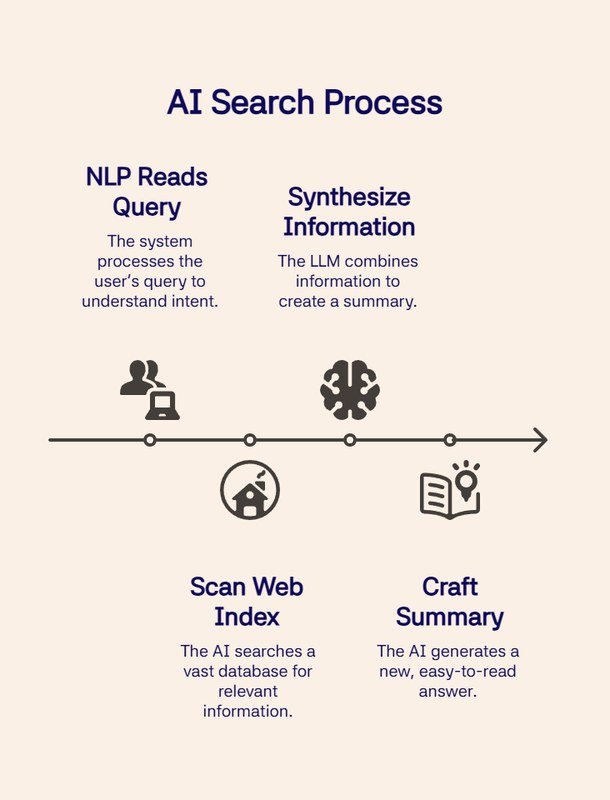
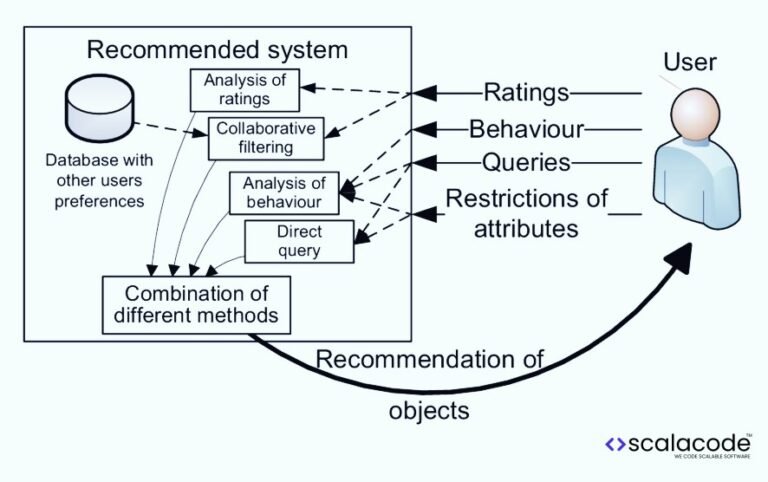
Every time you search the web, AI ranks the results. Streaming services use AI to suggest what to watch next. Voice assistants use speech recognition and natural language processing to answer questions. Email providers use AI to filter spam and sort messages. These systems are trained on massive amounts of user data, which is why they improve over time—and why they can sometimes feel eerily accurate.
AI in Business, Healthcare, and Creative Tools in 2026
By 2026, AI is also helping doctors spot patterns in medical scans, businesses forecast demand, and creators generate images, music, and video drafts. These tools don’t replace human judgment—they augment it. The best results come from people who understand the technology’s limitations and know how to review its output. In every field, the human remains responsible for the final decision.
Limitations and Common Misconceptions About AI
AI is powerful, but it is not magic. Understanding its limitations is just as important as understanding its capabilities.
What AI Still Can’t Do (And Why “Intelligence” Is Misleading)
AI doesn’t understand, feel, or reason the way humans do. It predicts patterns based on training data. It can be confidently wrong, and it can’t apply common sense outside its training. Calling it “intelligence” creates unrealistic expectations. A more accurate term is “pattern recognition at scale.” This distinction matters because it affects how much trust you should place in AI output.
Common Beginner Mistakes: Overestimating, Anthropomorphizing, and Ignoring Bias
Beginners often assume AI is smarter than it is, or they treat chatbots as if they have motives. Another mistake is ignoring bias: if the training data reflects existing biases, the AI will repeat them. Always question the source of the data and the context of the output. The following habits will help you stay grounded:
- Treat AI output as a draft that needs review.
- Check whether the tool discloses its training data and limitations.
- Ask for sources or explanations when the output is important.
- Assuming the AI is always right or “knows” what it’s saying.
- Using AI for high-stakes decisions without human oversight.
- Believing that a confident tone means accurate information.
How to Start Learning AI: Practical First Steps for Beginners
You don’t need a degree in computer science to start learning AI. You just need curiosity, a computer, and a willingness to experiment.
Who This Guide Suits: Hobbyists, Students, and Career Switchers
This guide is for anyone who wants to understand AI from the ground up. Hobbyists will learn enough to build fun projects. Students can use this as a foundation before diving into math or programming. Career switchers can explore whether AI is the right direction without committing to an expensive program. The fundamentals are the same for all three groups.
The Best Free and Low-Cost Tools to Experiment With Today
Start with tools that let you see AI in action without writing code. Many platforms offer free tiers or free courses. For coding, Python is the most common language, and notebooks like Google Colab let you run code in your browser. The exact tools change quickly, so check the official sites for current pricing and availability. The goal is to get hands-on experience, not to memorize theory.
Pick one small project—like a simple image classifier or a chatbot—and finish it. You’ll learn more from a completed project than from ten half-finished courses.
What to Look for in a Learning Resource (and What to Avoid)
Good resources explain concepts in plain language, use real examples, and include hands-on exercises. Avoid anything that promises you’ll build “advanced AI” in an hour or that relies on hype. Look for up-to-date material, because AI changes fast. Check the author’s background and whether they cite sources. Community forums and official documentation are often more reliable than random blog posts.
- A laptop with internet access and a modern browser.
- A free account on a learning platform or cloud notebook.
- A specific project idea you want to build or understand.
- Time to practice for at least a few hours per week.
Final Verdict: Is Understanding AI Worth Your Time in 2026?
Yes. AI literacy is becoming as important as basic computer literacy. You don’t need to build the technology, but you need to understand what it can and can’t do. This knowledge helps you use AI tools safely, evaluate claims, and participate in conversations about privacy, jobs, and ethics.
The Long-Term Value of AI Literacy
AI is not a passing trend. It’s reshaping how we work, learn, and communicate. People who understand the basics will be better equipped to adapt to new tools, spot misinformation, and make smarter decisions. The skills you build now—asking good questions, evaluating outputs, and understanding data—will serve you for years.
Our Recommendation for Beginners Starting From Zero
Start small. Learn the vocabulary, experiment with free tools, and build one project. Then gradually dive deeper into the math only if you need it. The goal isn’t to become an expert overnight—it’s to move from confusion to confidence. Here’s a quick recap of the most important points:
- AI learns from data using algorithms and models.
- Machine learning and deep learning are the main branches you’ll encounter.
- Neural networks detect patterns through layers of weighted connections.
- AI is powerful but limited, biased, and not truly intelligent.
- Start with free tools and a small project to build real understanding.
Frequently Asked Questions

One Comment