How Recommendation Algorithms Work in Plain English
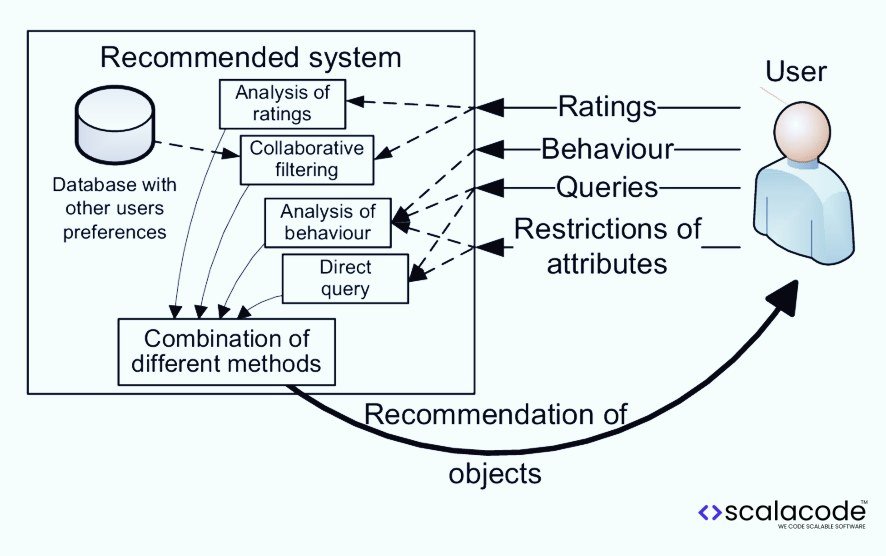
Recommendation algorithms are prediction engines that rank items by how likely you are to enjoy them, using your past behavior, similar users’ behavior, and item attributes. Modern systems combine collaborative filtering, content-based filtering, and deep learning to personalize everything from streaming queues to shopping feeds.
Understanding how recommendation algorithms work is the first step to making sense of why your streaming queue, shopping feed, and social media timeline look the way they do. These systems quietly shape much of what you watch, buy, and read, yet they rarely come with an instruction manual. This guide explains the core concepts in plain English, shows where these systems succeed and fail, and gives you practical ways to evaluate the recommendations you encounter every day.
- Definition: Recommendation algorithms are prediction engines that rank items by estimated relevance to each user.
- Signals: Systems rely on both explicit signals (ratings, likes) and implicit signals (watch time, clicks.
- Approaches: Collaborative filtering uses the behavior of similar users; content-based filtering matches item attributes; hybrids.
- Limitations: Filter bubbles, cold starts, and feedback loops can distort recommendations over time.
- Evaluation: Judge a recommendation system over weeks, not single sessions, and use explicit controls to.
What Are Recommendation Algorithms? A Plain-English Definition
A recommendation algorithm is a set of rules and calculations that predicts which items a person is most likely to enjoy, engage with, or buy. It ranks a catalog of possibilities — movies, products, songs, articles, videos — and presents the highest-ranked options first. The algorithm learns from patterns in data rather than following a fixed set of human-written instructions.
At its simplest, a recommendation system answers one question: “Of everything available, what should I show this person next?” The answer comes from comparing what the person has done in the past with what other people have done, what the items themselves look like, or both.
The Core Building Blocks: Data, Signals, and Models
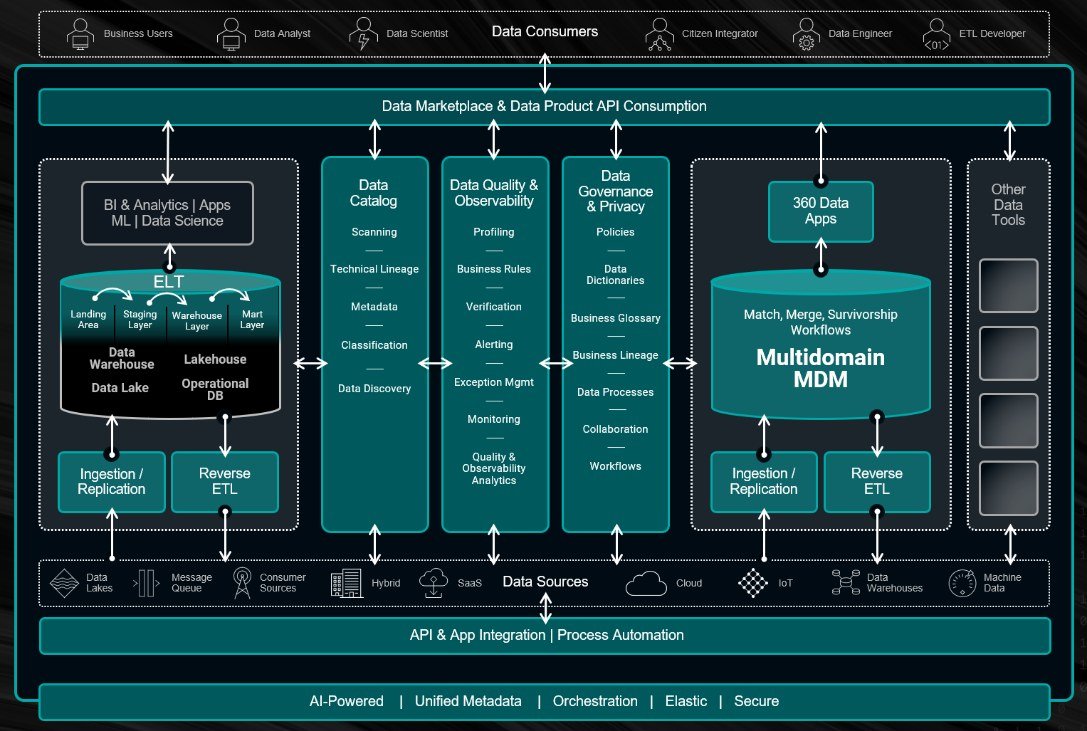
A diagram showing how data, signals, and models combine to make recommendations.
Every recommendation system rests on three layers. The first is data — the raw material of user actions, item descriptions, and contextual information like time of day or device type. The second is signals, which are the specific behaviors and attributes extracted from that data. The third is the model, the mathematical structure that learns patterns from the signals and produces predictions.
Data alone is not enough. A streaming platform may know that you pressed play on a documentary, but it also needs to know whether you finished it, skipped ahead, or turned it off after ten minutes. That is the difference between raw data and meaningful signals.
Explicit vs. Implicit Signals: What the Algorithm Actually Sees
Signals fall into two broad categories. Explicit signals are things users deliberately communicate: a five-star rating, a thumbs-up, a saved item, or a “not interested” flag. These are valuable because they are unambiguous, but they are also rare — most users never rate most of what they consume.
Implicit signals are behaviors that indirectly reveal preference: watch time, click-through rate, dwell time, scroll depth, pause and rewind actions, purchase history, and search queries. Modern systems lean heavily on implicit signals because they are abundant and continuous. A user who watches ten minutes of a two-hour film sends a much stronger signal than one who clicks and immediately backs out.
Implicit signals are powerful but noisy. Binge-watching a show may indicate genuine enjoyment, or it may simply mean the user fell asleep with autoplay on. Good systems weigh multiple signals together to reduce this noise.
Collaborative Filtering: The “People Like You” Engine
Collaborative filtering is the oldest and most widely used approach in recommendation systems. Its core idea is simple: people who behaved similarly in the past will likely want similar things in the future. Instead of analyzing what an item is, the algorithm analyzes who interacted with it and how.
If you and thousands of other users all watched and enjoyed the same three sci-fi films, the algorithm assumes you share a taste profile. It then recommends other sci-fi films that those similar users watched but you have not seen yet. The system never needs to understand what “sci-fi” means — it only needs to observe that the same people tend to like the same items.
User-Based vs. Item-Based Filtering
User-based collaborative filtering finds neighbors — users with similar taste — and recommends items those neighbors liked. This approach works well in theory but struggles at scale because user tastes shift and the number of users can reach hundreds of millions.
Item-based collaborative filtering flips the logic. It looks at the items you have already engaged with, finds items that tend to be engaged with by the same people, and recommends those. This is why Amazon’s “customers who bought this also bought” section works so well: the relationship between items is more stable than the relationship between users. Most large-scale systems, including many e-commerce and streaming platforms, rely primarily on item-based collaborative filtering.
| Approach | Best For | Key Consideration |
|---|---|---|
| User-based collaborative filtering | Smaller communities with stable user profiles | Expensive to compute at massive scale; user tastes drift |
| Item-based collaborative filtering | Large catalogs where item relationships are stable | Needs enough interaction data per item to be reliable |
| Content-based filtering | New or niche items with rich descriptive attributes | Can trap users in a narrow “more of the same” loop |
Content-Based Filtering: Matching You to Item Attributes<
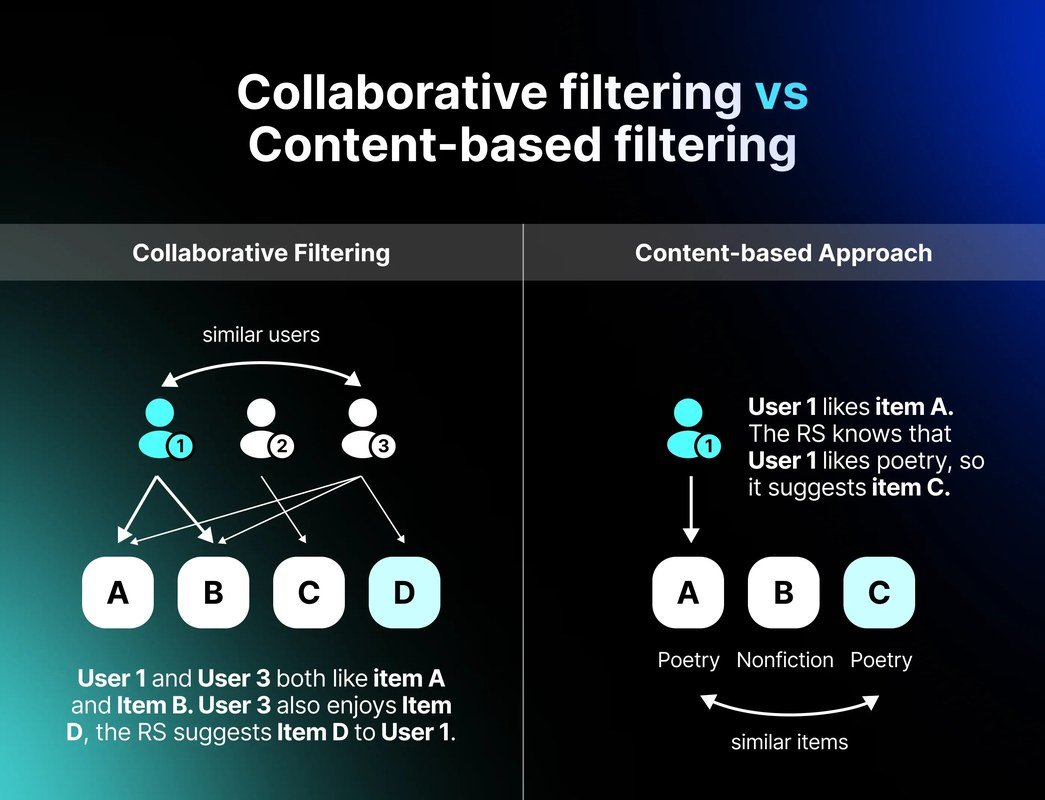
Diagram showing how user traits match item features to suggest relevant content.
Diagram showing how user traits match item features to suggest relevant content.
Content-based filtering ignores what other people do. Instead, it builds a profile of your preferences from the attributes of items you have engaged with, then recommends items with similar attributes. If you frequently read long-form articles about renewable energy, the system tags those articles with topics, complexity levels, and writing style, then finds other articles that share those tags.
This approach has clear advantages. It works for new items that have no interaction history yet — a freshly published article or a newly listed product can be recommended immediately based on its attributes. It is also more transparent: the system can explain that it recommended a book because it shares the same author, genre, or subject tags as books you have read.
The downside is serendipity. Content-based systems keep refining your known tastes and rarely introduce something genuinely outside your pattern. If you only watch cooking shows, the algorithm will not suddenly suggest a documentary about deep-sea exploration, even if you would love it.
Hybrid and Deep-Learning Models: How Modern Systems Combine Approaches
Most production systems today are hybrids. They combine collaborative filtering with content-based signals to cover each other’s weaknesses. Collaborative filtering provides serendipity and taste-matching; content-based filtering handles new items and cold starts. The hybrid may be as simple as blending two ranked lists, or as complex as feeding both types of signals into a single machine-learning model.
Deep-learning models have pushed this further. Neural networks can learn dense numerical representations of users and items — often called embeddings — that capture subtle relationships between taste and content. A model trained on billions of interactions can learn that fans of certain indie bands also tend to enjoy particular podcasts, even when no obvious category link exists. These models power the recommendation feeds of major video platforms, music services, and social networks.
Modern systems also incorporate context. The same user may receive different recommendations on a weekday morning than on a weekend evening, because the model learns that time, location, and device affect what you want. This is where recommendation systems overlap with broader AI infrastructure, similar to how AI agents use tools to complete tasks by combining multiple data sources into a single coherent action.
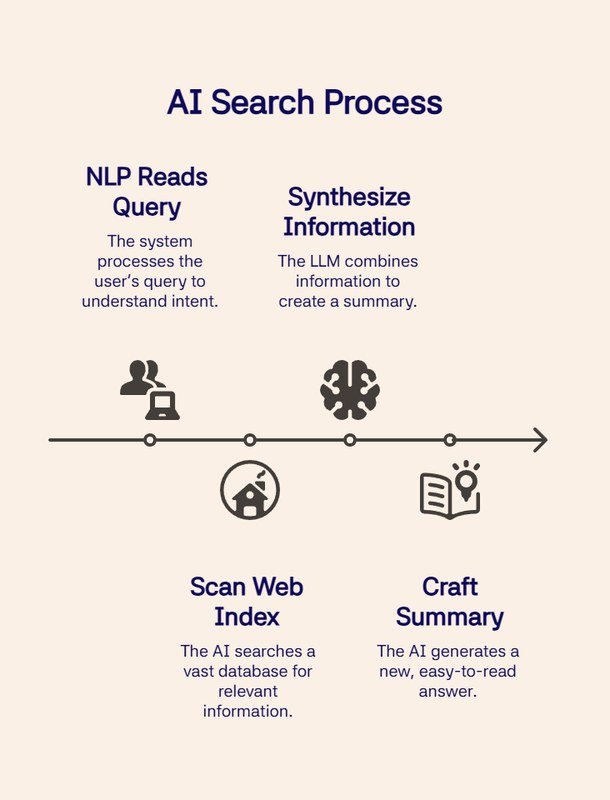
If you want to understand the underlying machinery better, it helps to see how the same principles appear in other AI systems. For example, how search engines understand user intent relies on many of the same signal-extraction techniques, and how AI memory works in chatbots explains the user-profile side of personalization.
Where Recommendation Algorithms Thrive (and Where They Fall Short)
Recommendation algorithms are at their best when the catalog is large, the user has a meaningful interaction history, and the goal is clear. Streaming platforms use them to keep viewers engaged. E-commerce sites use them to surface products shoppers might otherwise never find. Music services use them to build daily mixes that feel hand-curated. Social media platforms use them to rank content in a feed by predicted relevance.
Platforms and Use Cases
Each platform adapts the same core techniques to its own constraints. Netflix and YouTube optimize for watch time and session length. Spotify builds playlists from listening patterns and track attributes. Amazon mixes purchase history with browsing behavior and item co-occurrence. News apps rank articles by predicted readership and engagement. The underlying math is similar, but the signals, weights, and business goals differ.
Known Limitations and Biases
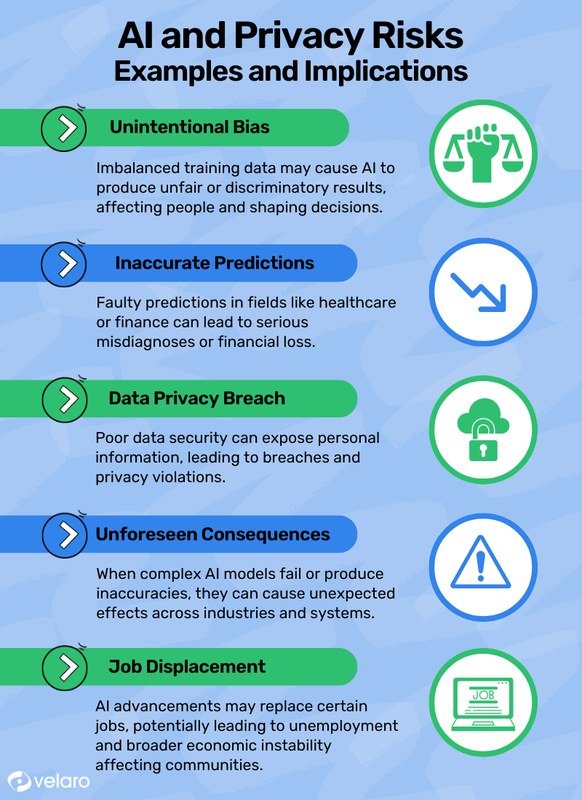
Recommendation systems have well-documented failure modes. The filter bubble effect occurs when the algorithm keeps showing you variations of what you already like, shrinking your exposure to different perspectives. Feedback loops happen when a system’s own recommendations influence future user behavior, which then trains the next round of recommendations — a cycle that can amplify small initial biases into large ones.
There is also the cold start problem: new users and new items have little or no interaction history, so the algorithm must fall back on generic popularity-based recommendations or content attributes. And because implicit signals are imperfect, the system can misinterpret behavior. A user who watches a movie ironically or clicks a headline out of outrage still generates a positive signal that trains the model.
- Scalable personalization for massive catalogs
- Discovers niche items you would never search for
- Improves continuously as new data arrives
- Can create filter bubbles and reduce diversity
- Struggles with new users and new items
- Feedback loops can amplify bias over time
How to Evaluate a Recommendation System: What to Look For and Common Mistakes
If you are evaluating a recommendation system — as a user, a product manager, or a developer — start by asking what it optimizes for. A system that optimizes for engagement may keep you on a platform longer but sacrifice diversity. A system that optimizes for conversions may push the same bestselling items while ignoring niche quality. There is no single correct metric; the right one depends on the goal.
Common mistakes include judging a system on a single session. One bad recommendation does not mean the algorithm is broken, and one perfect recommendation does not mean it is working well. Look for patterns over time: does the system learn from your corrections? Does it recover when you deliberately choose something outside your usual taste? Does it offer a reasonable mix of familiar and surprising options?
Another mistake is assuming the algorithm is static. Recommendation models are retrained regularly, and their behavior shifts with every new batch of data. A system that felt stale six months ago may behave very differently today. If you are comparing platforms, evaluate them over weeks, not hours.
Most platforms let you influence your recommendations. Use the “not interested,” “hide,” or “don’t recommend this” controls when available. These explicit signals carry more weight than passive viewing behavior and give the algorithm a clearer picture of your taste.
The Future of Recommendation Algorithms in 2026: Value, Maintenance, and Final Verdict
In 2026, recommendation systems are converging with generative AI. Instead of only ranking existing items, some platforms now use AI to generate new content tailored to your taste — personalized playlists, custom article summaries, or even AI-composed video previews. These generative recommendations blur the line between finding and creating content. The same trend appears in how AI changes the way people search online, where search and recommendation are becoming harder to tell apart.
Privacy is also reshaping the field. New regulations and browser restrictions have reduced the availability of third-party tracking data, pushing platforms toward on-device personalization and models trained on first-party data. Recommendation systems will not disappear, but they will need to deliver value with fewer cross-site signals.
Maintenance is the hidden cost of any recommendation system. Models drift as user behavior changes, catalogs grow, and trends shift. A recommendation engine is never “done” — it requires continuous monitoring, retraining, and evaluation. The platforms that do this well feel effortless; the ones that neglect it feel stale and repetitive.
- Recommendation algorithms predict what you will like by ranking items based on data, signals, and learned models.
- Collaborative filtering uses the behavior of similar users; content-based filtering matches item attributes to your profile; hybrids combine both.
- These systems excel at personalizing large catalogs but can create filter bubbles, suffer from cold starts, and amplify bias through feedback loops.
- Evaluate any recommendation system over time, pay attention to its diversity, and use explicit controls like “not interested” to steer it.
The bottom line: recommendation algorithms are not magic, and they are not neutral. They are prediction engines built on human behavior, with all the strengths and blind spots that implies. Once you understand how they work, you can use them more deliberately — and recognize when they are working for you rather than just working on you.
Frequently Asked Questions