
How AI Changes the Way People Search Online in 2026
AI search replaces the classic list of blue links with generated, cited answers drawn from multiple sources. It understands natural language, follows up on context, and changes how both searchers and content creators approach finding information online.
Understanding how AI changes the way people search online starts with a simple observation: the search results page looks nothing like it did a few years ago. In 2026, users don’t just type keywords and scan blue links — they ask questions in plain language and receive synthesized, cited answers in seconds. This article explains how AI-powered search works, who benefits from it, where it falls short, and how both everyday users and content creators can adapt.
- Search is now conversational: AI understands intent, context, and follow-up questions, not just keywords.
- Being cited matters more than ranking: GEO and AI Overviews reward clear, structured, authoritative content.
- Zero-click searches are rising: Users get answers directly on the results page without visiting a website.
- AI search has real limits: Hallucinations, bias, and privacy risks require source verification.
- Adapt now: Ask specific questions as a searcher; write quotable, well-structured content as a creator.
What Does It Mean That AI Changes How People Search Online?
Defining the 2026 Search Landscape: From Links to Answers
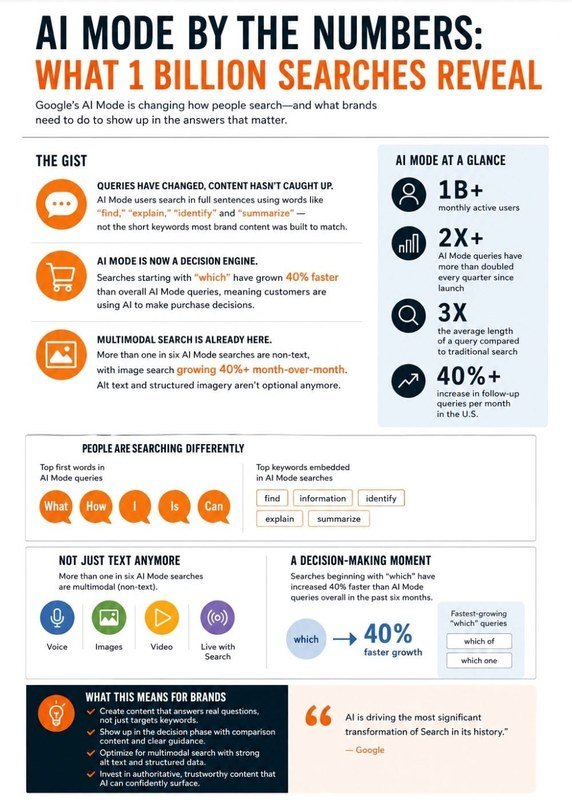
Traditional search engines built their entire model around one idea: index billions of web pages, rank them by relevance, and present them as a list of links. The user’s job was to click, scan, and decide which source to trust. AI search flips that model. Instead of returning links, an AI search engine reads multiple sources, compares the information, and composes a single answer with citations.
This is not a cosmetic change. The underlying technology combines large language models with retrieval systems that pull live or indexed web content, producing a conversational answer that reads like a knowledgeable assistant rather than a directory listing. For a closer look at the mechanics, our explainer on what AI search is and how it works covers the technical side in plain English.
The AI search experience varies by platform. Some tools display a full generated paragraph with numbered citations, others show a short answer card above traditional links, and a growing number let you continue a conversation to refine the result. There is no single “AI search” — there are many approaches.
Why This Shift Matters for Everyday Users and Businesses
For everyday users, the shift means less time sifting through results and more time getting answers. A question like “What’s the best time to visit Japan?” now returns a synthesized answer covering weather, crowds, and seasonal highlights, with links to the sources behind each claim.
For businesses, the stakes are higher. In the old model, ranking first on a results page guaranteed visibility. In the AI search model, the “winner” is the source the AI chooses to cite. That changes traffic patterns, advertising strategies, and the entire discipline of search optimization. Brands that appear in AI answers get noticed; brands that don’t may lose visibility even if their content is strong.
The Core Shift: From Keywords to Conversational Queries
Keyword search bar beside an AI chat interface, illustrating the shift to conversational queries.
Natural Language Processing and Intent Understanding
For years, search engines rewarded pages that matched exact keyword phrases. Natural language processing (NLP) changed that by allowing engines to understand meaning rather than just matching words. Modern AI search models parse grammar, context, synonyms, and even implied intent.
Consider the difference between typing “wine stain carpet help” and asking “What is the fastest way to remove a red wine stain from a light-colored carpet?” Both can work, but the conversational version gives the engine far more context. The result is a more precise answer that accounts for carpet color, stain type, and the urgency implied by “fastest.” This intent understanding is why long, specific questions now outperform short keyword strings.
Voice Search and Multimodal Inputs: Searching by Image and Sound
Voice search pushed conversational queries even further. When people speak, they use full sentences: “Where’s the closest coffee shop that’s open right now?” Voice assistants and AI search engines handle these natural phrases comfortably, layering in location and time context automatically.
Multimodal inputs take this a step further. Instead of describing what you’re looking for, you can show it. Upload a photo of an unfamiliar plant to identify it, hum a melody to find a song, or snap a picture of a broken part to locate a replacement. These inputs combine text, image, and audio in ways traditional search never could. Our guide to multimodal AI in simple words explains how these systems process different types of input together.
Key AI Search Technologies and Specifications to Know in 2026
Generative Engine Optimization (GEO) and AI Overviews
Generative Engine Optimization, or GEO, is the practice of making content more likely to be cited by AI search engines. Traditional SEO focused on keywords, backlinks, and page speed. GEO focuses on clarity, structure, authoritative sourcing, and quotable definitions. Content that answers a question directly, in a well-structured format, is far more likely to appear in an AI-generated response.
Google’s AI Overviews are the most visible example of this shift. When you search for a question, an AI-generated summary appears at the top of the results page, complete with citations to the sources it drew from. If you want the technical details, our breakdown of how Google’s AI Overviews work explains the process step by step.
AI-generated summaries can push traditional organic listings far down the page. That’s why being cited inside the answer — not just ranking on the page — matters so much for visibility.
Semantic Search and Entity-Based Indexing
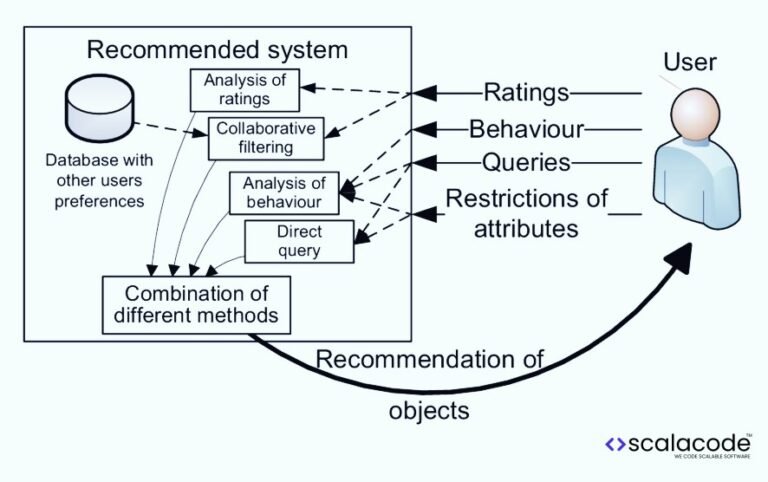
Semantic search goes beyond matching words to understanding relationships between concepts. If you search for “best budget laptops for college students,” a semantic engine understands that “budget” relates to price, “college students” implies portability and battery life, and “best” implies comparison and reviews. The engine assembles meaning from multiple signals rather than just matching pages.
Entity-based indexing organizes the web around entities — people, places, organizations, products, and the connections between them. Instead of treating “Paris” as a string of characters, the engine knows Paris is a city, the capital of France, and the subject of countless travel, history, and cultural connections. This knowledge-graph approach lets AI search reason about topics rather than merely retrieve pages.
Personalized, Context-Aware Results and Zero-Click Searches
AI search engines personalize results based on location, search history, device type, and even the time of day. Two people searching for “best ramen near me” at the same moment may receive different answers because the engine accounts for where they are and what they’ve searched before.
This personalization feeds the rise of zero-click searches — queries where the answer appears directly on the results page and the user never clicks a website. Zero-click searches are convenient, but they have a ripple effect: publishers lose traffic, and businesses must find new ways to turn visibility into engagement.
Who Benefits Most from AI-Powered Search?<
Students, professionals, and seniors use AI search on different devices
Students, professionals, and seniors use AI search on different devices
Everyday Consumers and Mobile-First Users
Consumers benefit from speed and convenience. Instead of opening five tabs to compare product specs, an AI search can summarize the differences in a single response. Mobile users benefit even more, because a synthesized answer requires far less scrolling than a traditional results page.
Shopping queries are a clear example. A search for “wireless headphones under $100 with good noise cancellation” can produce a comparison of top models, their strengths and weaknesses, and links to reviews — all in one place. The trade-off is that users must trust the AI’s selection criteria, which aren’t always transparent.
Researchers, Students, and Knowledge Workers
For researchers and students, AI search acts as a synthesis engine. It can gather perspectives from multiple sources, summarize long documents, and suggest related topics the user hadn’t considered. Knowledge workers use it to draft outlines, compare arguments, and locate context quickly.
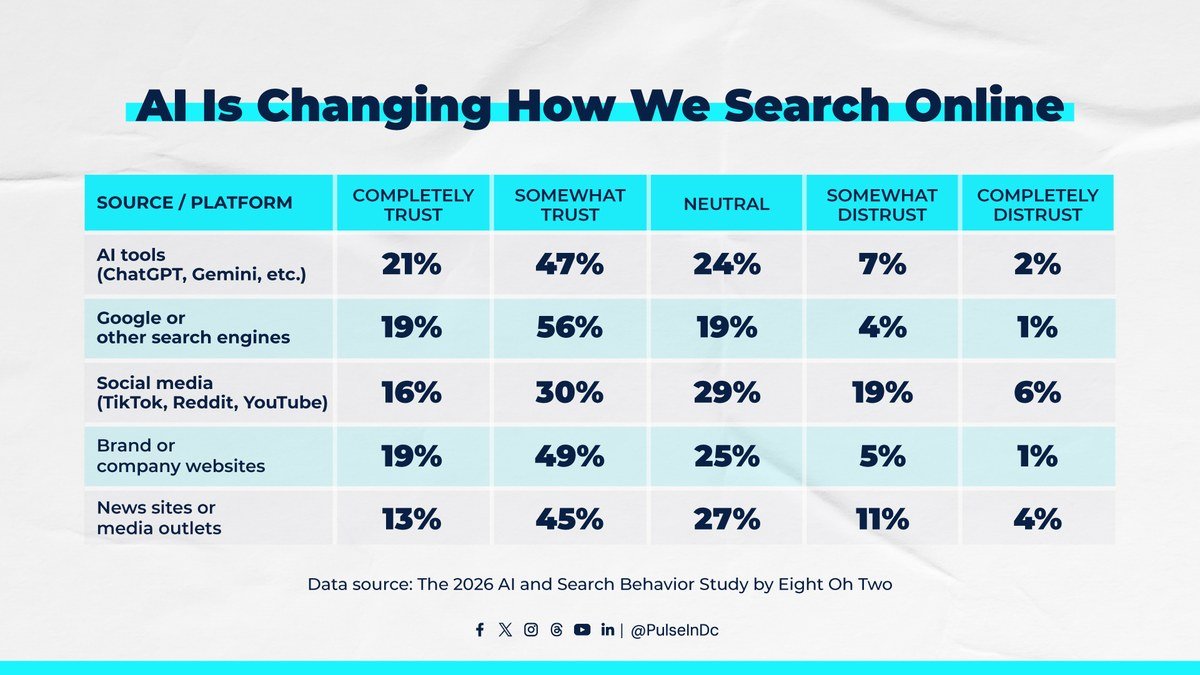
The caveat is verification. AI summaries are a starting point, not a final authority. Researchers who rely on AI-generated answers without checking the cited sources risk propagating errors. The technology is a powerful research assistant, but it still needs a human editor.
Local Businesses, Marketers, and SEO Practitioners
Local businesses benefit when AI search recommends them in response to queries like “best pizza in Chicago” or “plumber open on Sunday near me.” Being cited in these AI-generated local roundups can drive real foot traffic.
Marketers and SEO practitioners face the biggest adjustment. The metrics that defined success for a decade — rankings, click-through rates, organic traffic — are being supplemented by new ones: citation frequency in AI answers, brand mentions across generated responses, and visibility in zero-click results. Those who adapt their strategies early gain a clear advantage.
Key Benefits of AI Search: Speed, Precision, and Discovery
Faster Answers with Summarized, Cited Results
Speed is the most obvious benefit. A question that once required opening multiple pages now yields a complete answer in seconds. The citations attached to AI answers also make verification easier — you can jump directly to the source of any claim that matters to you.
Precision improves through conversation. If the first answer misses the mark, you can ask a follow-up: “What about options under $50?” or “Does that apply to rental apartments too?” Each follow-up refines the context, and the engine adjusts its response accordingly.
Deeper Discovery Through Follow-Up Suggestions
AI search engines are built to continue the conversation. After answering your question, they often suggest related queries, comparisons, or next steps. This can lead to discoveries you wouldn’t have found through traditional search, where each new query starts from scratch.
For curious users, this is a genuine advantage. A question about home composting can lead to suggestions about worm bins, countertop composters, and municipal pickup programs — each one a new thread to explore without reformulating a fresh search.
Limitations and Common Mistakes to Avoid with AI Search
Hallucinations, Outdated Data, and Factual Errors
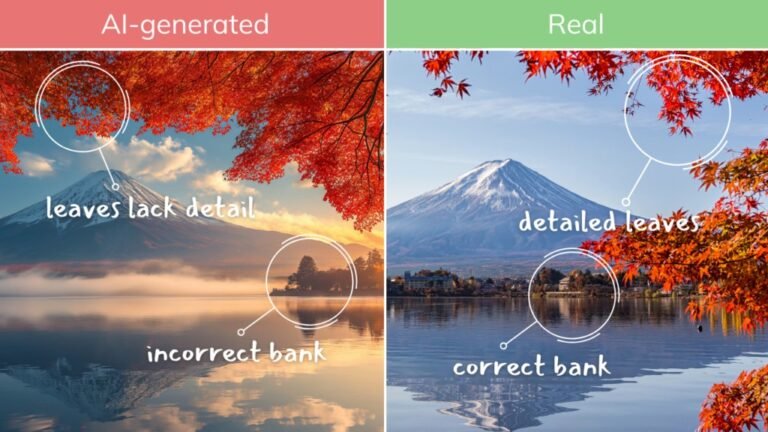
AI models can produce hallucinations — confident, fluent answers that are simply wrong. They can also rely on outdated training data or misread a source. The result is an answer that sounds authoritative but isn’t accurate.
The fix is simple: check the citations. If an AI answer matters to you, open the sources it lists and verify the claims. For high-stakes topics like medical advice, legal questions, or financial decisions, always cross-check with primary sources and qualified professionals.
Over-Reliance on AI Summaries Without Source Verification
The most common mistake users make is treating AI summaries as final answers. Copy-pasting an AI response into a report, a social post, or a decision-making process without verification is risky. AI search is a tool for gathering and synthesizing information, not a substitute for judgment.
This is especially important for students and professionals. An AI-generated summary can be a great starting point, but the final work must be grounded in sources you’ve actually read and understood.
Privacy, Bias, and Data Handling Concerns
AI search tools collect enormous amounts of data. Your queries, your location, your voice recordings, and even your uploaded images can become part of a model’s training data or be stored for personalization. Privacy practices vary widely between providers, and they change frequently.
Bias is another concern. AI models are trained on data that reflects existing social biases, and those biases can surface in search results. A query about “best doctors” might over-represent certain demographics, or a search about “safe neighborhoods” might reflect outdated or prejudiced data. Being aware of these limitations is the first step to using AI search responsibly. Our guide to protecting your privacy when using AI tools offers practical steps you can take today.
How to Adapt Your Search Habits and Content Strategy in 2026
Practical Tips for Searchers: Asking Better Questions
- Be specific: include context, constraints, and the format you want, such as “list the top three options with pros and cons.”
- Ask follow-up questions instead of starting a new search each time; the engine remembers the conversation.
- Request sources explicitly: “Which websites did you use for this answer?”
- Cross-check critical claims against a primary source before acting on them.
Practical Tips for Content Creators: Optimizing for AI Discovery
- Answer the core question directly in the first paragraph of your content.
- Use clear, descriptive headings that mirror how people actually ask questions.
- Cite authoritative sources and link to primary references.
- Keep statistics and time-sensitive information updated and dated.
- Burying the answer under fluff, intros, and filler paragraphs.
- Keyword stuffing or repeating the same phrase for search engines.
- Publishing content that contradicts itself or lacks clear structure.
- Ignoring entity relationships, such as connecting your product to its category, use cases, and related terms.
Final Recommendation: Embracing the AI Search Era
Balancing AI Convenience with Critical Thinking
AI search is genuinely useful, and it’s only going to become more embedded in daily life. The right approach is to use it as a powerful starting point while keeping your critical thinking engaged. Ask follow-up questions, verify important claims, and remember that an AI answer is a synthesis of what others have written — not an objective truth.
What to Expect Next: The Future of Search Beyond 2026
The trajectory is clear: search is moving from finding pages to completing tasks. Agentic AI systems will soon handle multi-step research on their own, comparing products, drafting summaries, and booking travel without constant user input. Multimodal search will grow, and personalization will become more sophisticated — and more demanding of user trust.
Whether you’re a casual searcher or a content professional, the message is the same: adapt early, stay curious, and never outsource your judgment to a machine.
- AI search delivers synthesized, cited answers instead of ranked link lists.
- Conversational, voice, and multimodal queries are the new norm.
- Being cited by AI engines matters more than ranking first.
- Verify AI answers with primary sources, especially for high-stakes decisions.
- Searchers and content creators both need to adapt their habits now.
Frequently Asked Questions



One Comment