What Are AI Voice Cloning Scams Learn the Warning Signs
AI voice cloning scams use synthetic audio that mimics a real person’s voice to trick victims into sending money or sharing sensitive information. Scammers usually build the clone from short voice samples found on social media, voicemail, or recorded calls, then add urgency to stop you from verifying.
If you’re looking for a clear answer to what are ai voice cloning scams, the short version is this: criminals use artificial intelligence to reproduce a real person’s voice well enough to trick family members, employees, and even banks into sending money. These scams have moved from science fiction to everyday reality, and knowing how they work is the first line of defense.
- How it works: Scammers clone a familiar voice from short audio samples and use it in emotional.
- Main scams: Family emergencies, CEO fraud, fake tech support, and fake kidnapping calls are the most.
- Warning signs: Slightly off audio, extreme urgency, demands for secrecy, and payment via gift cards or.
- Best defense: A family code word, call-back on known numbers, and limiting public voice recordings.
- If scammed: Contact your bank immediately, report to the FTC and police, and watch for recovery.
What Are AI Voice Cloning Scams? A 2026 Threat Explained
Voice cloning scams sit at the intersection of social engineering and synthetic media. Instead of hacking a bank account, the criminal exploits a relationship: they borrow the voice of someone you trust and use it to request money, gift cards, or confidential information. The technology itself is not new, but the way it has been packaged into repeatable scam playbooks has changed sharply.
Defining Voice Cloning and How Scammers Weaponize It
Voice cloning is a branch of generative AI that learns a person’s vocal patterns from recorded speech and then produces new audio that sounds like that person. Legitimate uses include accessibility tools, audiobooks, and voice restoration for people who have lost the ability to speak. Scammers use the same technology to impersonate someone in crisis.
The weaponization is deceptively simple: a victim receives a call, hears a familiar voice in distress, and reacts emotionally. By the time logic catches up, the money may already be gone. Scammers usually pair the cloned voice with spoofed caller ID and a story that explains why the real person cannot call back.
Both the Federal Trade Commission and the FBI have issued public warnings about criminals using voice cloning to impersonate family members and executives.
Why 2026 Is the Breaking Point for Voice Fraud
Voice cloning scams existed before 2026, but several trends have now converged. Consumer-grade cloning tools have become faster, cheaper, and more realistic, while voice samples are easier to find than ever because so much of daily life is recorded and searchable — video calls, social media clips, podcasts, and voice notes.
Detection has not kept pace. Real-time voice conversion lets scammers hold live conversations without obvious delay, removing the robotic quality that once exposed a fake. The result is a fraud that is cheaper to run, harder to spot, and easier to scale.
How AI Voice Cloning Technology Works in Real-World Scams
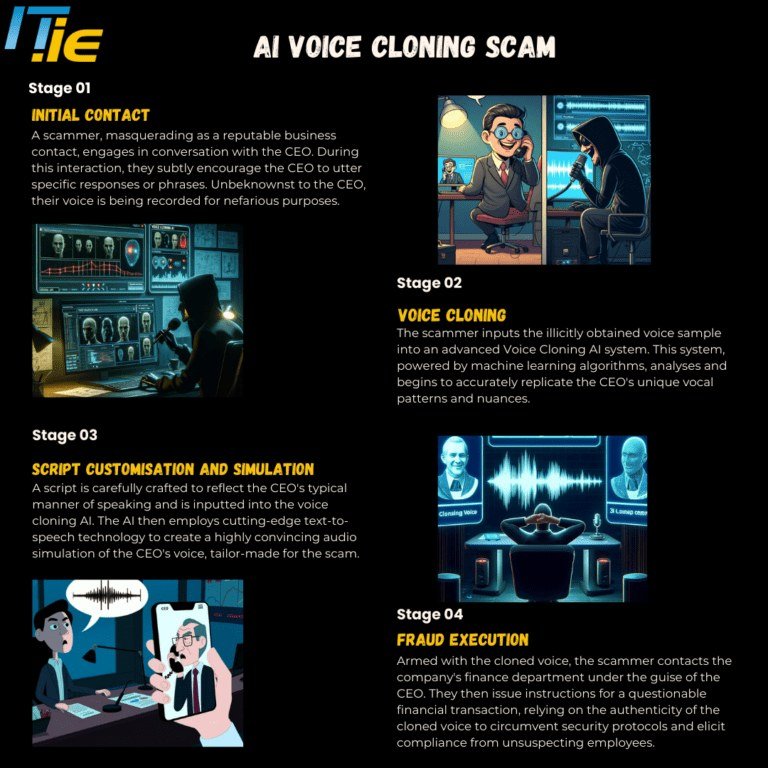
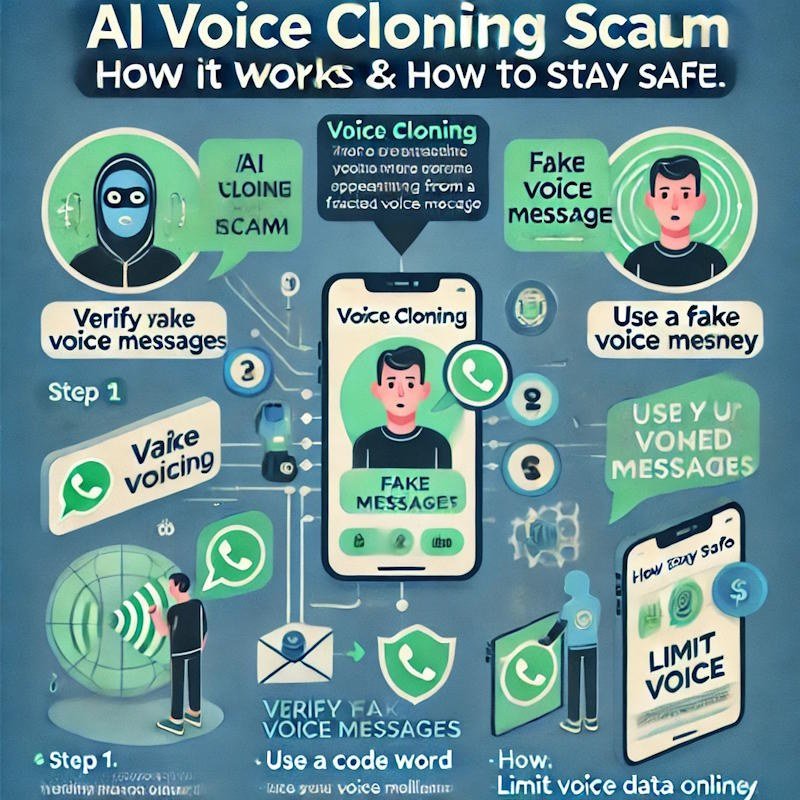
Illustration of a scammer using AI to clone a voice, deceiving a victim over the phone.
How Scammers Capture Your Voice Without Your Knowledge
Most people assume scammers need a studio-quality recording, but that is not the case. Security researchers have demonstrated that a short clip of clear speech — a social media video, a voicemail greeting, a podcast appearance, or a forwarded voice memo — can be enough for some cloning tools to produce a usable copy.
Scammers also collect audio through direct contact. An unknown caller might ask innocent questions just to keep you talking and record the call. Fraudsters have long used tricks such as asking “Can you hear me?” to capture a person saying “yes,” and security experts warn that any captured audio could feed a cloning system.
The Quality Gap: From Robotic Clips to Real-Time Deepfakes
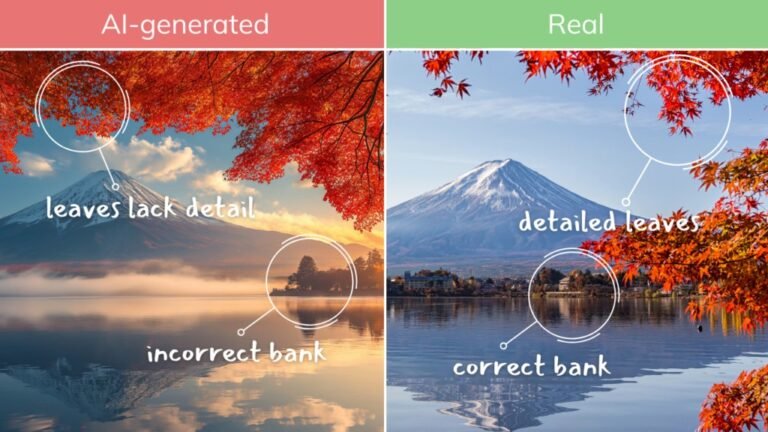
Early voice clones were flat, robotic, and full of audio artifacts, and a careful listener could usually tell something was wrong. Current tools add natural hesitation, breathing, and emotional inflection, making the fake far harder to distinguish from the real thing.
The bigger leap is real-time conversion. Instead of playing a pre-recorded clip, a scammer speaks into a microphone while software converts the words into the target’s voice with only a slight delay. That allows a two-way conversation, which is why some scam calls respond naturally to questions: the fraudster is answering in real time rather than following a fixed script.
The Most Common AI Voice Cloning Scam Types in 2026
The Emergency “Help Me” Call (Grandparent and Family Scams)
This is the classic grandparent scam, upgraded with a cloned voice. The call typically comes from what sounds like a child or grandchild claiming to be in legal trouble, a car accident, or a hospital, and urgently requesting bail money, medical payments, or a wire transfer.
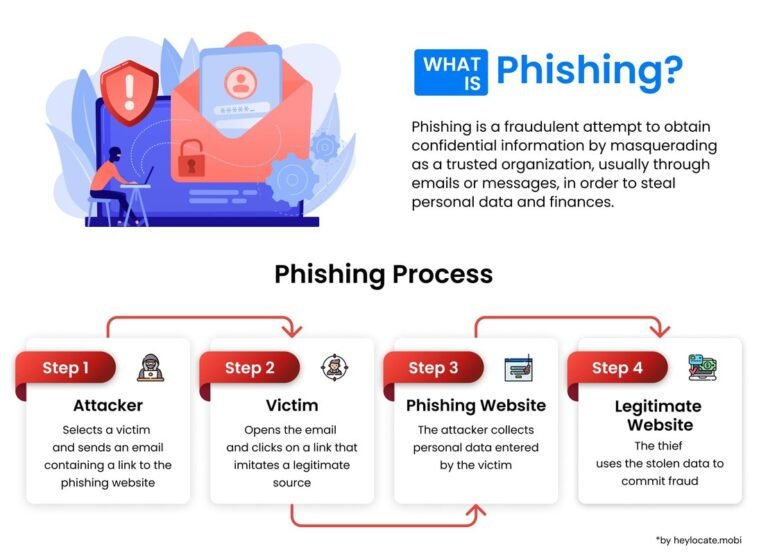
The structure works like a phishing attack: it creates panic and urgency so the victim acts before verifying. The scammer also explains why the real person can’t be reached — “my phone broke” or “I’m borrowing a lawyer’s phone” — to prevent a return call.
CEO Fraud and Business Email Compromise via Voice
Corporate versions target finance teams. An employee receives a call from someone who sounds exactly like the CEO or a trusted vendor, demanding an urgent wire transfer or asking for sensitive payroll data. Scammers often pair a cloned voice message with a fake email that appears to come from the same executive, creating a false paper trail.
Because executives regularly appear in earnings calls, conference panels, and internal videos, finding a high-quality voice sample is rarely a problem for a determined fraudster.
Tech Support and Government Impersonation Calls
Scammers also dress up classic impersonation scripts with more believable voices. A cloned “Microsoft representative” may claim your computer has a virus, while a cloned “IRS agent” may threaten arrest over unpaid taxes. The cloned voice adds authority and makes the call harder to dismiss.
These calls almost always end with a demand for remote access, gift cards, or cryptocurrency — payment methods that are extremely difficult to trace or recover.
The Fake Kidnapping Extortion Call
One of the most disturbing uses of voice cloning is the fake kidnapping call. A parent hears what sounds like their child crying and begging for help, and a stranger then demands a ransom for release. The child may in fact be perfectly safe; the cloned audio is designed to bypass rational thinking. Law enforcement agencies have publicly warned about this pattern, so it is worth preparing your family for it before an attempt occurs.
Warning Signs of an AI Voice Cloning Scam<
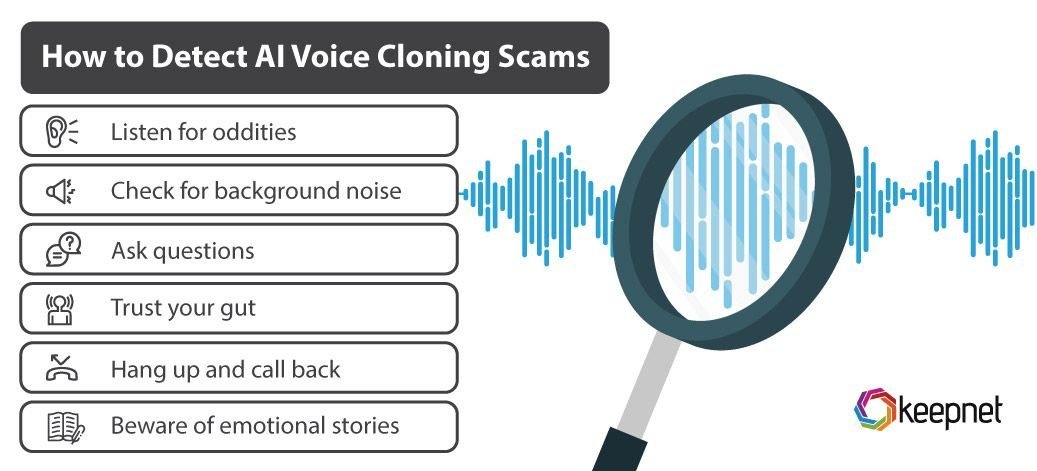
Illustration showing a smartphone warning about a suspected AI voice cloning scam call.
Illustration showing a smartphone warning about a suspected AI voice cloning scam call.
Verbal and Audio Red Flags to Listen For
An AI clone can be convincing, but it is rarely perfect. Listen for speech that sounds slightly flat, with odd pacing or unnatural pauses; words that seem clipped or slightly slurred; background noise that does not match the story; and a tinny, compressed quality typical of low-quality samples. Delayed responses can also indicate real-time audio processing.
No single red flag confirms a scam, but a combination of odd audio and an emotional story should raise your alarm.
Behavioral Red Flags: Urgency, Fear, and Unusual Payment Demands
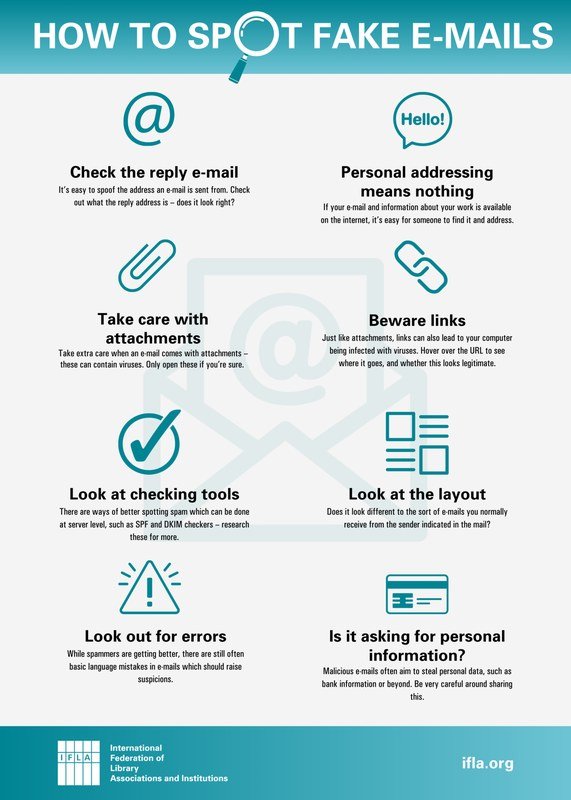
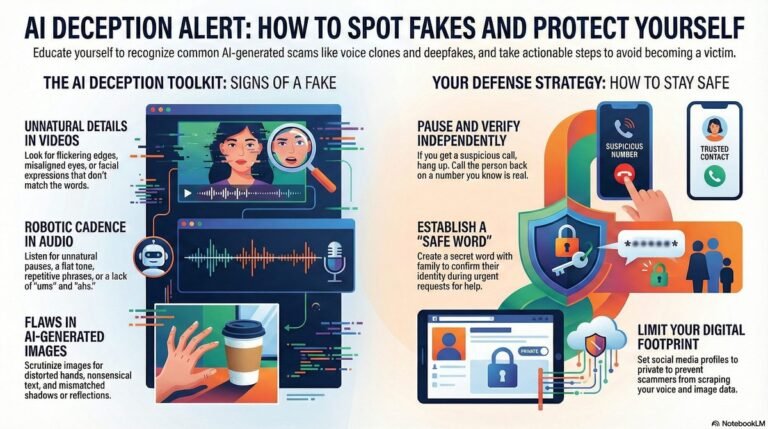
How the caller behaves matters as much as how they sound. Watch for extreme urgency that leaves no time to think, demands for secrecy such as “don’t tell anyone,” requests for gift cards or cryptocurrency, threats of arrest or harm, and instructions to call a “new” number instead of the one you know. These pressure tactics exist because the scam collapses the moment you pause to verify.
- Hang up and call the person back on a number you already trust
- Ask a question that only the real person would know the answer to
- Tell the caller you will verify before sending anything
- Don’t make decisions while the caller keeps you on the line
- Don’t send money through gift cards or cryptocurrency to any caller
- Don’t share security codes, passwords, or account details over the phone
Who Is Most at Risk and Why
Elderly Family Members and the Trust Factor
Older adults are frequent targets because they are more likely to be reached by landline, more trusting of a familiar voice, and less familiar with synthetic media. The emotional weight of a “grandchild in trouble” call can override normally careful judgment. If an older relative takes a lot of calls from unknown numbers, have a conversation about voice cloning scams before an attempt happens.
Executives, Finance Teams, and High-Value Targets
Anyone with access to company funds is a target. Scammers research employees through LinkedIn, press releases, and corporate videos before making a move, and a cloned voice can be the “proof” that convinces a junior employee to override normal procedures. Finance teams should treat any unusual verbal money request as unverified until it passes an independent check.
Public Figures and Social Media Users with Exposed Audio
The availability of a voice sample is the main technical barrier, and it keeps shrinking. Podcasters, YouTubers, streamers, teachers, and professionals who speak on panels often have hours of public audio available. But even a private person with a single public video can be cloned, so the risk is not limited to celebrities.
How to Protect Yourself and Your Family
The specific steps below build on the broader habits covered in our guide on how to stay safe from AI scams. Together, they form a practical defense against voice fraud.
Establish a Family Code Word and Verification Protocol
The most effective personal defense is a family code word. Agree on a secret word or phrase that only close family members know, and make it a rule that any call asking for money or sensitive details must include it. That includes calls supposedly coming from a loved one’s phone.
Keep the code word private and never use it as a password or security answer. Rotate it occasionally, and agree on a second verification method, such as calling back on a known number or confirming through a separate messaging app.
Business Safeguards: Multi-Factor Authentication and Call-Back Rules
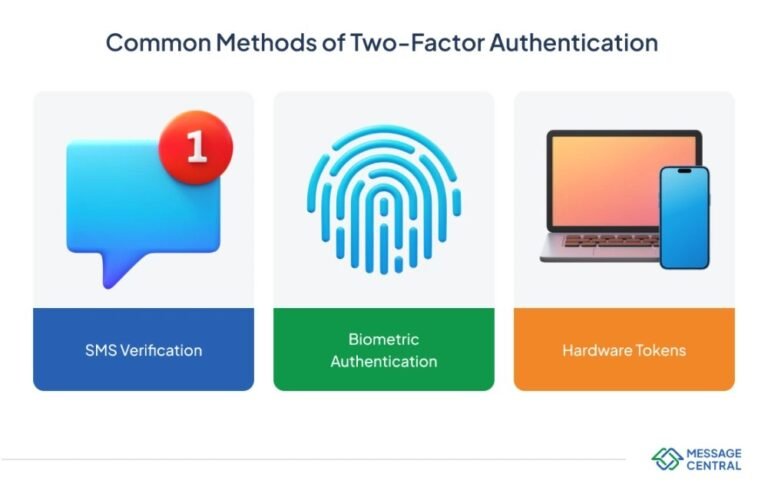
Companies should treat voice requests as unverified until they pass formal checks. Require a call-back to a known phone number, a second authorization from another manager, and multi-factor authentication for any financial system. A short verbal instruction should never replace a documented approval process.
Limiting Your Voice Footprint Online
Your voice is data, and the less of it you share publicly, the harder you are to clone. Set social media accounts to private, think carefully before posting videos of yourself speaking, and avoid recording a full name and number in your voicemail greeting. Reducing exposure is also part of the larger privacy picture described in our article on how AI can affect personal privacy.
Be cautious with unknown callers: even a short phrase you say could be recorded and reused. If a stranger keeps asking questions to prolong the call, it is reasonable to end it and call the official number back yourself.
What to Do If You Suspect or Fall Victim to a Voice Cloning Scam
Immediate Steps to Verify the Caller’s Identity
If a call feels wrong, your first job is to slow everything down. A real person in a real emergency will not object to verification.
Say you need a minute to handle something, then hang up. Do not stay on the line while feeling pressured.
Use the phone number you already have for that person, never the one the caller provided.
If you reach the real person, ask something only they would know, such as a childhood memory or a recent plan.
Message the person through a separate app or ask another family member to confirm their location.
How to Report and Recover Financial Losses
If you sent money or shared sensitive information, act quickly. Contact your bank or payment provider right away, since some funds can be frozen or returned if reported fast. Keep records of the call time, the number shown, and any messages you received.
Report the scam to the Federal Trade Commission at ReportFraud.ftc.gov and file a complaint with your local police department. Also be alert for follow-up “recovery” scams, where fraudsters call again claiming they can get your money back for a fee.
The Future of Voice Cloning Scams: Prevention and Detection in 2026
Emerging Detection Tools and Legislation
Countermeasures are developing on two fronts. On the technical side, companies are working on audio watermarking and deepfake detection models that analyze acoustic artifacts invisible to the human ear. On the legal side, several governments are drafting rules that require AI-generated content to be labeled, and consumer protection agencies continue to publish alerts about voice fraud.
These efforts are promising but not yet a complete defense. Detection models can miss newer tools, and watermarking standards are not universal, so individual verification habits remain the strongest safeguard.
Final Recommendation: Stay Skeptical, Verify Always
The core rule is simple: treat every unexpected voice request for money or information as unverified, no matter how convincing it sounds. A quick call-back, a family code word, or one private question can stop almost every voice cloning scam in its tracks.
- Know the threat: AI voice cloning scams use synthetic audio to impersonate people you trust.
- Spot the signs: Odd audio quality, extreme urgency, secrecy, and unusual payment demands.
- Verify always: Use a family code word, call back on known numbers, and ask private questions.
- Act fast: Contact your bank, report to the FTC, and watch for follow-up recovery scams.
Frequently Asked Questions