How to Stay Safe from AI Scams and Protect Your Identity
AI scams use voice cloning, deepfake video, and AI-generated messages to impersonate people you trust and pressure you into sending money or data. Stay safe by verifying every urgent request through an independent channel, using multi-factor authentication, and limiting what scammers can learn about you online.
Learning how to stay safe from ai scams has become one of the most essential digital skills in 2026, as artificial intelligence tools grow more realistic, cheaper, and easier for criminals to misuse. The good news is that most AI scams still rely on the same psychological tricks as older frauds, which means a few consistent habits can protect you and your family.
- Verify everything: Confirm any money or account request through a channel you initiated, never through contact.
- Use strong account protections: Turn on multi-factor authentication with an authenticator app or passkey on every important account.
- Limit your digital footprint: Keep social media private and avoid posting raw voice or video clips that scammers.
- Protect vulnerable family members: Set up a family code word and rehearse what to do when a suspicious.
- Spot the red flags: Urgency, secrecy, unusual payment methods, and requests to move to private channels are classic.
What Are AI Scams and Why Are They Surging in 2026?
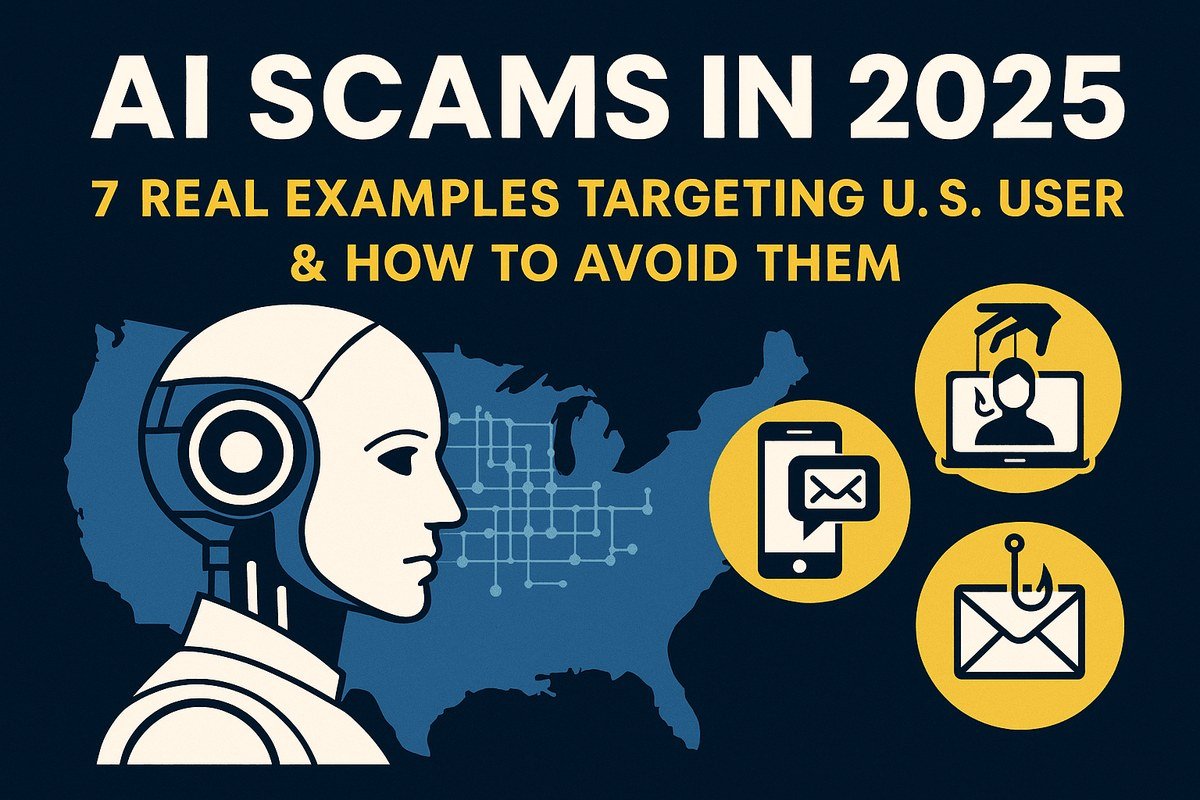
An AI scam is any fraudulent scheme that uses artificial intelligence to deceive a victim. Instead of a generic email filled with spelling errors, scammers can now generate polished phishing messages in seconds, clone a person’s voice from a short audio clip, or create realistic video of a public figure saying something they never said.
The surge in 2026 comes down to access. Generative AI tools that were experimental a few years ago are now available to anyone with an internet connection. Scammers no longer need technical skills to launch convincing attacks; they can automate thousands of personalized messages, adapt their scripts in real time, and target victims based on data scraped from social media. For a closer look at the technology behind these tools, read our explainer on what is generative AI and how it works.
AI scams are not a separate category of fraud as much as an upgrade to existing ones. The “grandparent emergency call” trick from two decades ago becomes far more dangerous when the voice on the line sounds exactly like a real grandchild.
How to Stay Safe from AI Scams: The Essential Playbook
A person views a smartphone warning alert about a potential AI scam.
The core rule of AI scam defense is simple: trust the process, not the person. Scammers rely on emotional urgency, authority, and familiarity to bypass your judgment. When you slow the interaction down and verify through a separate channel, most AI scams collapse.
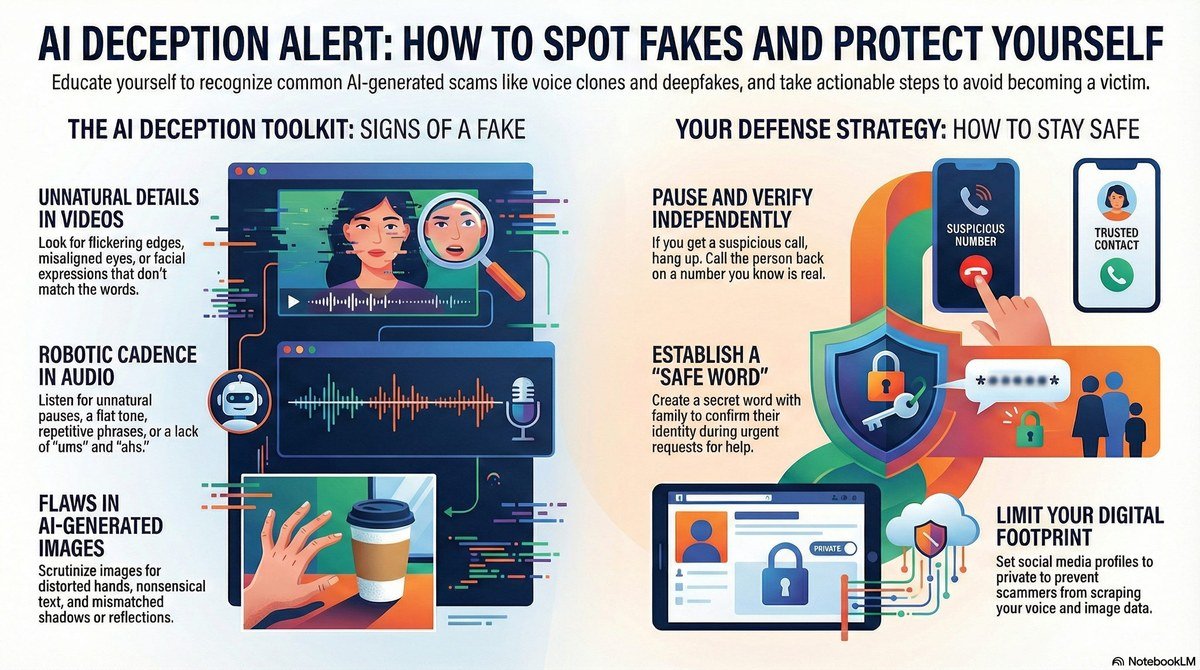
- Verify with an independent channel. If a call, text, or video claims to be from a family member, colleague, or bank, hang up and contact that person or organization using a number you already trust.
- Establish a family code word. Agree on a private word or phrase that only your inner circle knows, and use it when someone calls asking for money or sensitive information.
- Never act on urgency. Fraudsters create panic to short-circuit your thinking. Legitimate institutions do not demand immediate payment in gift cards, crypto, or wire transfers.
- Protect your accounts with multi-factor authentication. A stolen password alone should never be enough to access your email, bank, or social media.
- Limit what strangers can learn about you. Scammers build convincing scripts from your public posts, so keep personal details out of open profiles.
Make it a family rule: any request for money or account access that arrives by phone, text, or video must be confirmed by a second method. Even a simple “send me a voice note saying the code word” can stop a deepfake in its tracks.
The Most Common AI Scam Tactics to Know Right Now
Knowing the specific shapes AI scams take in 2026 makes them easier to spot in the moment. The following three tactics are among the most frequently reported fraud patterns.
Deepfake Voice and Video Impersonation
Voice cloning technology can replicate a person’s voice from just a few seconds of audio lifted from social media videos, voicemails, or phone conversations. Scammers use this to call a parent pretending to be a child in distress, or to impersonate a CEO instructing an employee to approve a large transfer. Video deepfakes have also become common in live calls, where scammers use real-time face-swapping to pose as executives or romantic partners.
The most effective defense is a simple verification habit. Ask a question only the real person would know the answer to, and require confirmation through a channel you initiated. If the request involves money, treat it as unverified until you reach the person directly.
AI-Generated Phishing and Vishing Attacks
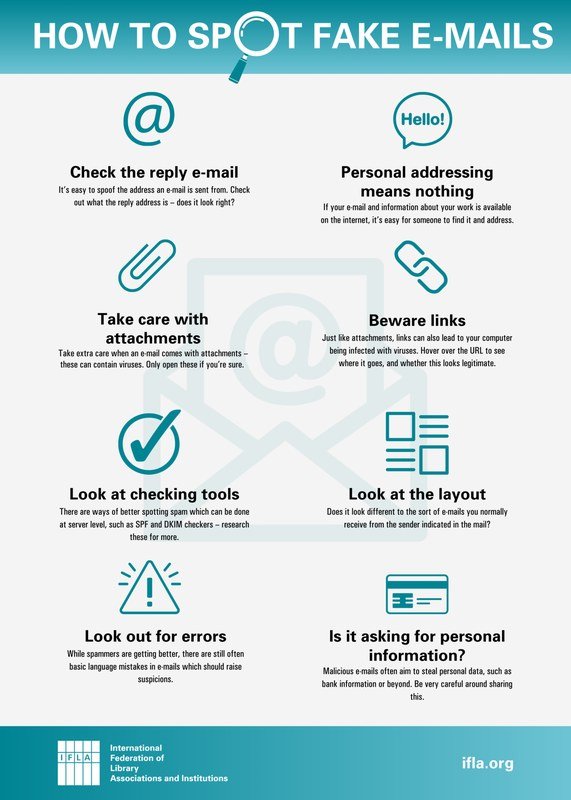
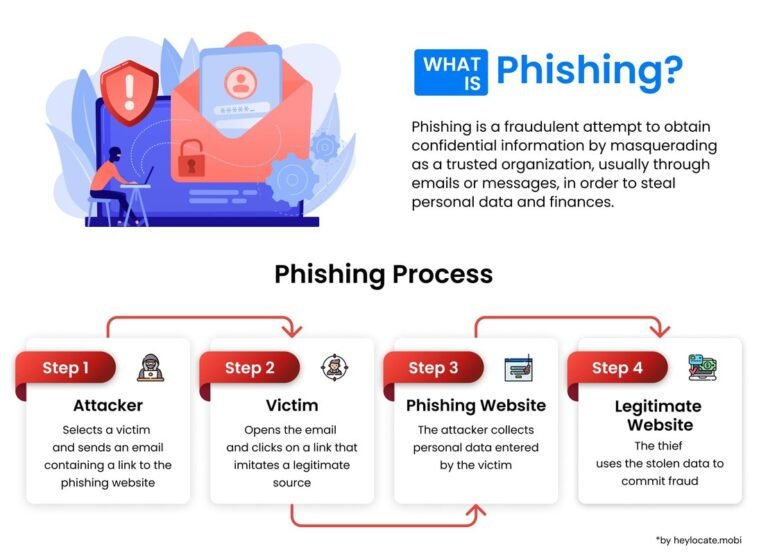
Traditional phishing emails were often easy to spot. AI-generated phishing is not. Language models now produce emails that mimic your bank’s tone, reference your recent purchases, and include convincing links. Vishing, or voice phishing, uses AI voice bots that sound human and hold natural conversations, often claiming to be from your bank’s fraud department or a government agency.
These attacks are especially dangerous because they are personalized. Scammers can feed details from your public profile or a past data breach into a language model and generate a message that feels uniquely tailored to you.
Fake Endorsements, Giveaways, and Investment Lures
Deepfake videos of celebrities, business leaders, and public figures are being used to promote fake investment platforms, cryptocurrency schemes, and giveaway scams. A realistic video of a well-known person promising guaranteed returns is one of the most widely reported fraud formats of 2026.
The rule here is straightforward: celebrities and executives do not personally reach out to offer investment advice or prizes. If you see an endorsement online, verify it on the person’s official, verified account before taking any action. For more context on how these automated systems operate at scale, our guide on how AI agents work step by step explains the technology behind them.
Warning Signs and Red Flags of an AI Scam
A laptop displays a warning about an AI voice scam call.
AI scams are more polished than older fraud, but they still leave traces. Watch for these warning signs:
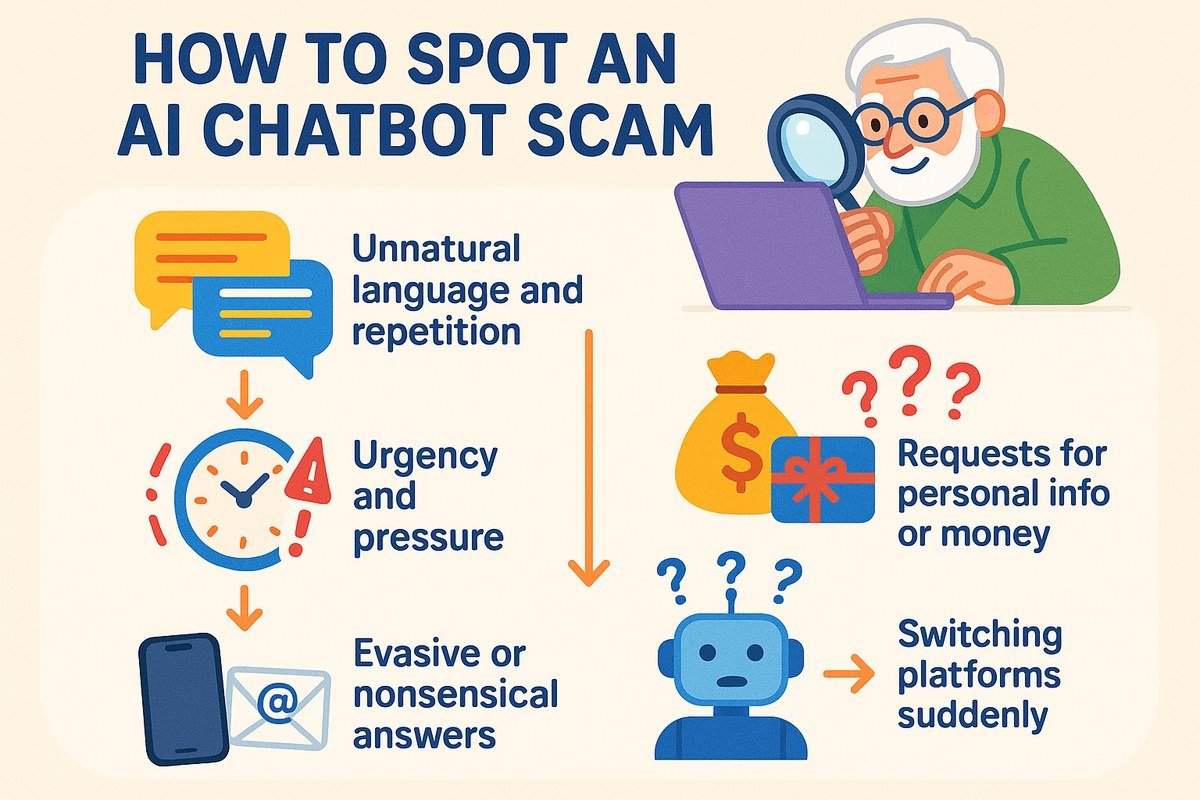
- Pressure and secrecy. The caller demands immediate action, tells you not to tell anyone, or insists on staying on the line while you act.
- Unusual payment methods. Gift cards, cryptocurrency, wire transfers, or payment apps are red flags when requested by a “bank” or “government agency.”
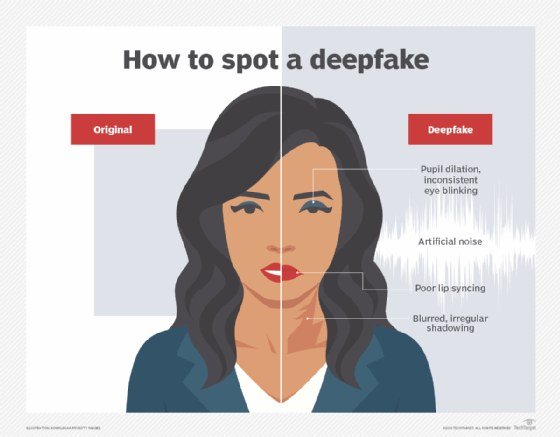
- Subtle quality tells. Deepfake video can show unnatural blinking, slight lip-sync delays, or audio that does not quite match mouth movements. These are not always obvious, so do not rely on them alone.
- The “emergency” opener. Scammers often start with a vague crisis or a mistaken identity to get you talking.
- Requests to move platforms. A scammer on a dating app or marketplace who insists you switch to a private messaging app is often trying to escape the platform’s fraud detection.
- Incoming call or message claims to be someone you know but uses an unfamiliar number or account
- The request creates panic, urgency, or embarrassment
- You are asked to keep the matter secret
- Payment is requested in gift cards, crypto, or wire transfer
- The “person” cannot answer a question that requires real shared memory
- You are told to verify using only the contact details provided in the message itself
Tools and Settings That Help You Block AI Scams
Good habits matter, but the right settings and tools make those habits much easier to maintain.
Verification Tools and Multi-Factor Authentication
Multi-factor authentication (MFA) is the single most effective account protection available. Use an authenticator app rather than SMS codes where possible, since text messages can be intercepted in SIM-swap attacks. Passkeys, which use biometric or device-based verification, are increasingly supported by major platforms and are more resistant to phishing than passwords alone.
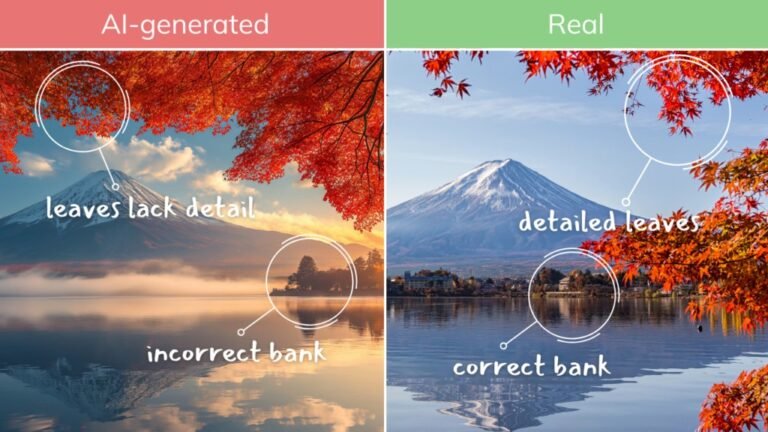
For media you receive, reverse image search tools can help identify fake profile photos, and reverse video search can sometimes reveal a deepfake’s original source. When in doubt about a file, do not open it; scan it with security software or run it through a verification service your provider recommends.
Privacy Settings and Data Minimization Habits
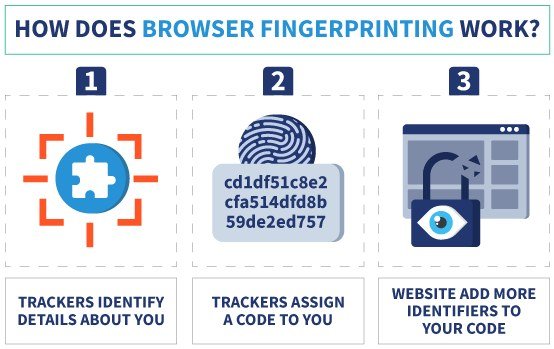
Scammers need raw material to build convincing AI impersonations. The less you publish, the less they have to work with. Review your social media privacy settings, disable public access to your friend lists, and avoid posting high-quality audio or video clips that could be used for cloning.
Data minimization also extends to your offline habits. Do not provide personal details to callers who ask for them, even if the caller ID looks legitimate. If you want to build stronger privacy routines around the AI tools you use daily, our guide on how to protect privacy when using AI tools offers practical steps for limiting data exposure.
Be cautious about uploading your own voice or face to unknown apps, especially those that promise “fun” filters or voice changers. Some services collect biometric data that can later be misused for cloning.
Who Is Most Vulnerable to AI Scams and How to Protect Them
While anyone can be targeted, certain groups face higher risk. Older adults are frequent targets of voice-cloning family scams because they may be less familiar with deepfake technology and more trusting of a familiar voice. Executives and employees in finance are targeted through CEO fraud, where a deepfake executive authorizes a transfer. Young people who share heavily on social media provide scammers with the raw audio and video needed to clone them.
Protecting vulnerable people is a family effort. Talk openly about AI scams, rehearse what to do when a suspicious call arrives, and create a simple verification agreement. For older relatives, set up a dedicated call-back number and make it a firm rule that no money moves without confirming through that line.
Common Mistakes That Leave You Exposed to AI Scams
Most people who fall for AI scams are not careless; they are simply encountering a well-crafted illusion at a vulnerable moment. Still, certain habits consistently increase exposure.
- Hang up and call back using an official number you find yourself
- Use a unique password and authenticator app for every important account
- Keep social media profiles private and limit voice and video uploads
- Talk to family members about code words and verification rules
- Never trust caller ID, which scammers can spoof
- Never share a one-time login code, no matter who asks
- Never approve a transfer or purchase because the caller “sounds right”
- Never let an unexpected caller keep you on the phone while you act
Final Verdict: Building a Long-Term Defense Against AI Scams
There is no single app or setting that will make you immune to AI scams. The technology behind them will keep improving, which means your defense has to be behavioral, not just technical. The people who stay safest are those who slow down, verify through independent channels, and treat every unexpected request for money or access with healthy skepticism.
Start with the basics today: turn on multi-factor authentication everywhere it is available, agree on a family code word, and make a habit of hanging up and calling back. Those three steps alone would stop a significant share of the AI fraud happening in 2026.
- AI scams are upgrades of old frauds, made more convincing by voice cloning, deepfakes, and AI-generated phishing
- Always verify requests for money or access through a channel you initiated
- Use multi-factor authentication, passkeys, and strict privacy settings to reduce your exposure
- Protect vulnerable family members with code words and open conversations about deepfake tactics
- Treat urgency, secrecy, and unusual payment methods as automatic red flags
Frequently Asked Questions


5 Comments