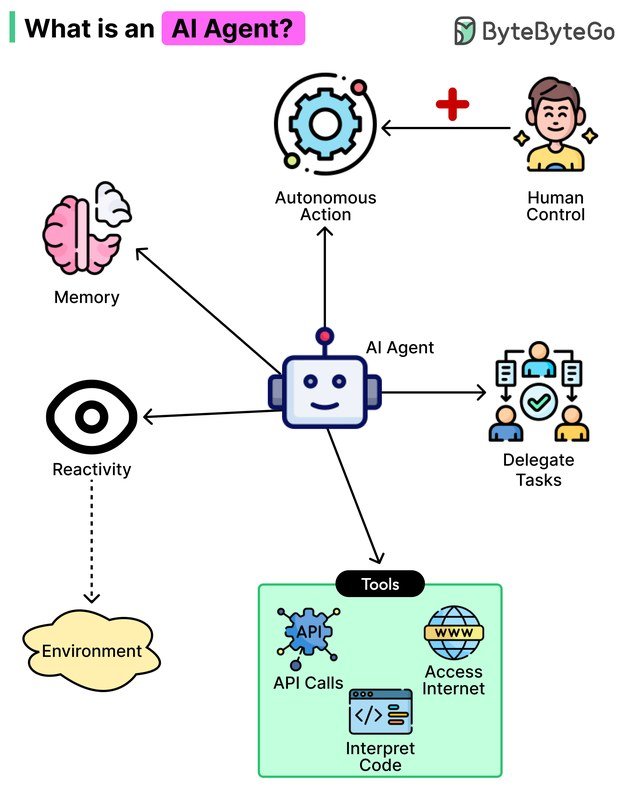
What Is an AI Agent in Simple Words A Complete Guide
An AI agent is software that uses artificial intelligence to plan and complete tasks on its own. Instead of just answering questions, it takes action, uses tools, and keeps working until the goal is done.
If you have been asking what is an ai agent in simple words, you are not alone. These tools have moved from tech demos into everyday apps, but the term is still confusing because it overlaps with chatbots and automation software. This guide explains what an AI agent actually is, how it thinks and acts, where it helps, and where it still needs careful human oversight.
- Definition: An AI agent is goal-driven software that plans and acts with limited human input.
- Key difference: Unlike chatbots, agents use tools and take real actions, not just replies.
- Main benefit: Agents save time, work 24/7, and scale to handle large volumes of repetitive work.
- Main risk: Hallucinations and missing common sense make human oversight essential.
- Smart start: Choose one repetitive task, check security and integrations, then expand slowly.
What Is an AI Agent in Simple Words?
The One-Sentence Definition You Can Explain to Anyone
An AI agent is a software program that uses artificial intelligence to understand a goal, plan the steps needed to reach it, and carry those steps out with limited human input.
Think of the difference between a search engine and a personal assistant. A search engine hands you links and stops. A personal assistant listens to what you need, gathers the right information, makes calls, and reports back when the job is done. An AI agent works the same way in software. Give it a goal such as “find the cheapest flights to Chicago next month and draft an itinerary,” and it breaks that goal into smaller steps, uses the tools it needs, and returns a finished result.
AI Agent vs. Chatbot vs. Automation Tool: Key Differences
People use these three terms interchangeably, but they are not the same. A chatbot answers questions in a conversation, an automation tool follows fixed rules, and an AI agent decides what to do next.
| Option | What It Does | Best For |
|---|---|---|
| Chatbot | Responds to questions with pre-written or AI-generated replies, but rarely takes action beyond the chat. | Simple support, FAQs, and first-line conversations. |
| Automation tool | Runs the same steps every time it is triggered by a rule, such as “when a form is submitted, send an email.” | Repetitive, predictable workflows with no judgment needed. |
| AI agent | Plans, chooses tools, adapts mid-task, and works toward a goal with limited human input. | Multi-step tasks that need reasoning and flexibility. |
The key distinction is judgment. A chatbot can sound smart but usually cannot do anything outside the conversation. An automation tool is reliable but rigid. An AI agent combines language understanding with the ability to act, which makes it the most powerful of the three and the one most in need of supervision.
How Do AI Agents Actually Work?
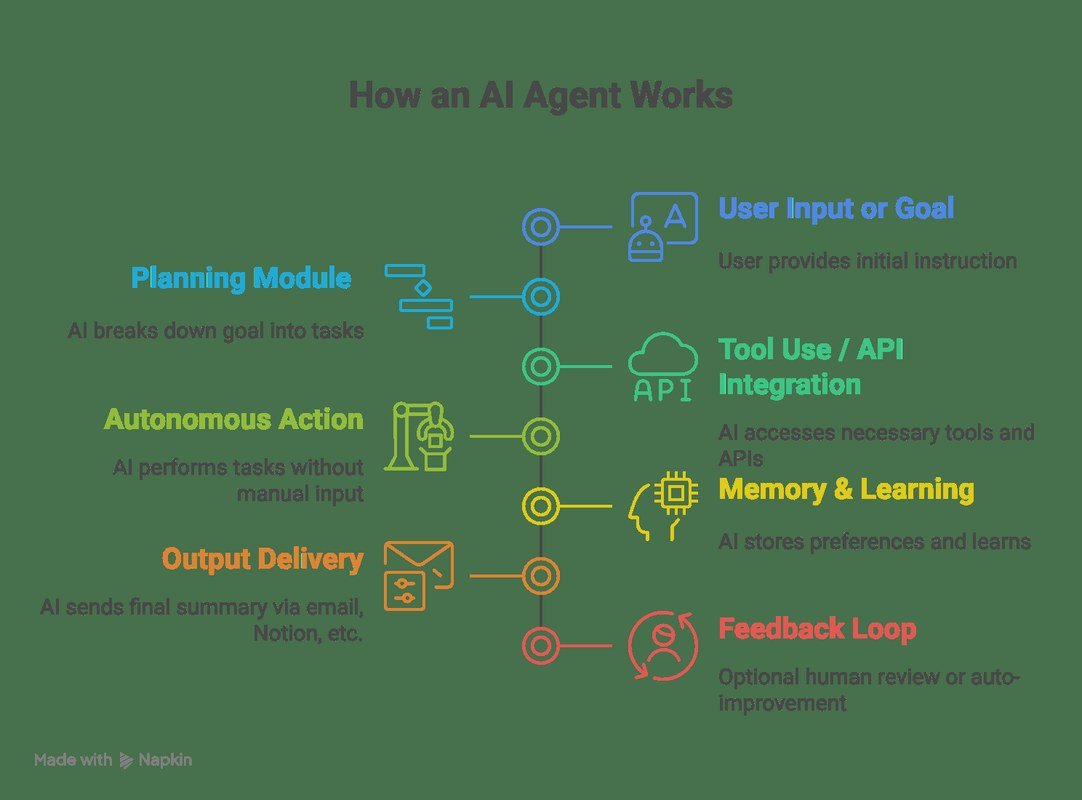
A diagram showing the perception, reasoning, and action loop of an AI agent.
The Core Components: Goals, Memory, Tools, and Autonomy
Every AI agent, no matter how complex, is built from four core pieces.
Goals. The agent needs a clear objective, either set by the user (“book a table for four on Friday”) or broken down from a bigger request. The goal defines what success looks like.
Memory. Short-term memory holds the current conversation and recent steps, while long-term memory stores facts, preferences, and past tasks so the agent stays consistent across sessions.
Tools. Tools are how the agent touches the outside world: web search, email, calendars, databases, code execution, or APIs. Without tools, an agent is just a clever talker.
Autonomy. Autonomy is the level of independence the agent is allowed. Some agents ask for approval before every action; others are trusted to complete entire workflows on their own.
The Agent Loop: Perceive, Plan, Act, and Learn
Most agents run in a continuous loop with four stages.
Perceive. The agent reads the current situation: the user’s request, new data, or the result of its last action. Plan. It maps out the steps needed to reach the goal, often weighing several paths. Act. It picks a tool or produces a response. Learn. It evaluates the result and adjusts its next move.
A simple example: you ask an agent to “summarize this week’s emails and draft replies to anything urgent.” It perceives your inbox, plans which messages matter, acts by reading and summarizing them, then learns from your edits so next week’s drafts match your style.
What Are the Main Types of AI Agents in 2026?
The term “AI agent” now covers a wide range of systems, from simple rule-followers to self-improving assistants. Understanding the categories helps you know what you are actually buying or building.
Simple Reflex vs. Goal-Based vs. Learning Agents
Simple reflex agents react only to what they see right now. A thermostat that turns on the heat when the temperature drops is a reflex agent. Useful, but limited.
Goal-based agents hold a target in mind and plan a path toward it. They can handle obstacles and choose between options. Most modern AI assistants fall into this category.
Learning agents improve over time. They track what worked, what failed, and what the user corrected, then adjust future behavior. These are the agents that feel genuinely smart, but they also need the most careful monitoring because they can learn the wrong lesson from noisy data.
Single-Agent vs. Multi-Agent Systems
A single-agent system has one assistant handling a task from start to finish. That is the most common setup for personal use.
A multi-agent system uses several agents that specialize and cooperate. One might research, another writes, and a third checks for errors. Multi-agent setups are powerful for complex business workflows, but they cost more to run and create new failure points: if one agent makes a mistake, the others may trust it and build on top of it.
Real-World Use Cases: Who Should Use an AI Agent?

Illustration showing various professionals using AI agents across different industries.
Personal Productivity: Scheduling, Email, and Research
For individuals, the most practical uses are scheduling, email triage, and research. An agent can scan your calendar, propose meeting times, draft replies, and summarize long documents. It can also gather sources on a topic and organize them into a short brief.
Start with one repetitive task that takes you more than 30 minutes a week, such as clearing your inbox or booking appointments. Master that workflow before expanding the agent to other areas.
Business Workflows: Customer Support, Data Entry, and Coding
Businesses use agents for customer support, where an agent answers common questions, looks up order status, and escalates complex cases to a human. Data entry agents pull information from invoices or forms and move it into the right systems. Coding agents write, test, and fix code under a developer’s review. The common thread is that these tasks are repetitive enough to automate but varied enough that fixed rules fail.
Key Benefits of Adopting AI Agents
Time Savings and 24/7 Availability
The clearest benefit is time. An agent does not sleep, take breaks, or lose focus, and it can process a large batch of work in minutes. For teams, that means faster turnaround on routine requests and fewer hours spent on busywork.
Consistency, Scalability, and Cost Efficiency
Agents follow the same process every time, which reduces the small errors that creep into manual work. They also scale cheaply: serving one customer or ten thousand costs far less than hiring proportional staff. That said, “cheap” is relative. Serious agents require software subscriptions, API usage fees, and time spent reviewing their output.
Limitations, Risks, and Common Mistakes to Avoid
Hallucinations, Bias, and Lack of Common Sense
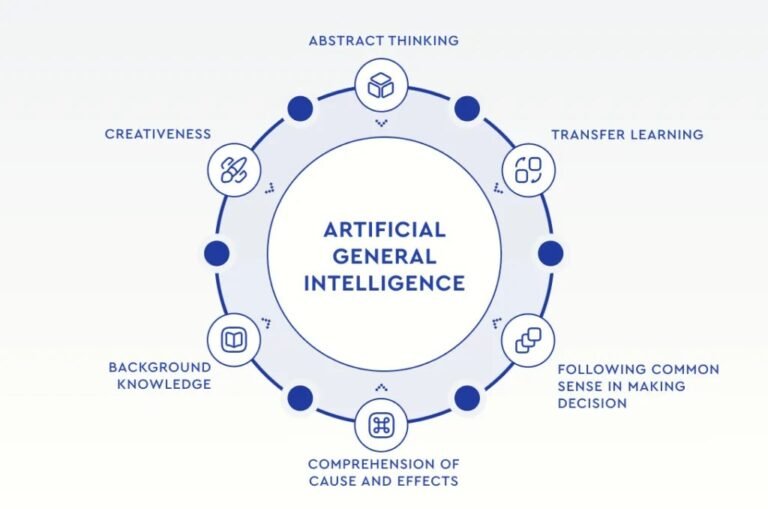
AI agents inherit the weaknesses of the models underneath them. They can hallucinate, inventing facts with total confidence. They can reflect bias from their training data. And they lack real-world common sense, so they may take a logically correct action that is socially or practically wrong. An agent might cancel a meeting because it conflicts with a calendar entry, without realizing the other participant is the CEO.
Over-Automation and the Importance of Human Oversight
The biggest mistake is trusting an agent too much, too fast. Giving an agent access to your email, bank, or customer database without guardrails is asking for trouble.
- Start with read-only access or a sandbox environment until you trust the agent.
- Require approval for high-stakes actions like sending money or deleting data.
- Review a sample of agent outputs weekly to catch drift or errors.
- Avoid giving agents access to more data than the task requires.
- Avoid fully autonomous workflows in areas where a mistake is costly.
- Avoid assuming the agent’s explanation of its own reasoning is accurate.
What to Look for When Choosing an AI Agent
Evaluation Criteria: Reliability, Security, and Integration
Choosing an agent is less about picking the smartest model and more about finding one you can supervise. Reliability matters: does it finish tasks without breaking? Security matters: where is your data stored, who can see it, and can you revoke access? Integration matters: does it connect to the tools you already use, or will you need to rebuild your workflow?
- Define one clear task you want the agent to own.
- Check which tools and platforms it integrates with natively.
- Confirm data handling, retention, and permission controls.
- Look at the vendor’s track record for fixing security issues.
- Estimate monthly cost including API usage, not just the base plan.
Open-Source vs. Commercial Agents: Alternatives Compared
You can run an open-source agent on your own hardware or subscribe to a commercial product. Both have trade-offs.
| Option | Best For | Key Consideration |
|---|---|---|
| Open-source agents | Technical teams who want control, privacy, and no per-seat fees. | You handle setup, maintenance, security, and model hosting yourself. |
| Commercial agents | Individuals and businesses who want a working product with support. | Easier to start, but subscription costs and data policies vary by vendor. |
There is no universally correct choice. A small business without an IT team is usually better served by a commercial agent. A company with strict data rules may prefer open-source, even if it means more work.
Final Verdict: Are AI Agents Worth It in 2026?
Value for Different Users and Budgets
For most people, yes, with conditions. An individual using an agent for email, scheduling, and research can save several hours a week for the cost of a subscription. A business automating customer support can cut response times and handle more volume. But an agent is only worth it if you have a task repetitive enough to justify the setup and review time.
Our Transparent Recommendation
Start small, start supervised, and scale only when you see consistent results. Pick one workflow, run it with human review for a few weeks, and measure whether it actually saves time. If it does, add a second task. If it does not, the problem is usually the task choice rather than the technology, so try a different workflow before giving up on agents entirely.
- An AI agent is goal-driven software that plans and acts with limited human input.
- Agents differ from chatbots and automation tools by exercising judgment and using tools.
- They work through a loop of perceiving, planning, acting, and learning.
- Human oversight is non-negotiable because agents can hallucinate and lack common sense.
- Choose an agent based on reliability, security, integration, and total cost, not just model quality.
Frequently Asked Questions






4 Comments